

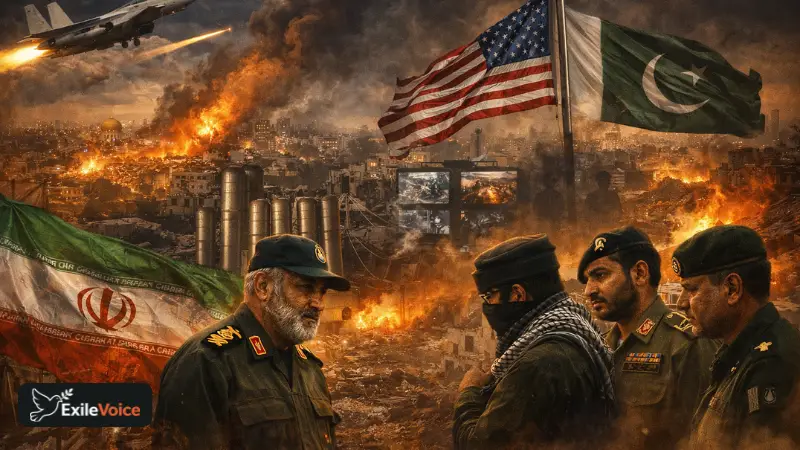
In the complex theater of modern warfare, every conflict reaches a definitive turning point that reshapes its trajectory and eventual outcome. The ongoing hostilities in the Middle East, specifically involving Iran, Israel, and the United States, have entered a critical phase following recent high-profile escalations. Historically, military engagements between regional rivals like Pakistan and India have demonstrated how brief, high-intensity skirmishes, such as those involving air superiority or missile deployments, can lead to rapid ceasefires. However, the current Iranian conflict presents a vastly different dynamic due to the sheer number of global players involved and the non-traditional nature of the targets.
The first major turning point occurred in the opening hours of the conflict with the loss of high-ranking Iranian leadership. This event immediately shifted the focus from conventional military posturing to a state of heightened oscillation between the possibilities of total war and diplomatic surrender. For seventeen days, the international community watched as Iran navigated the internal and external pressures of maintaining sovereignty while facing direct threats to its core command structure. The dynamics of this engagement are unique; unlike past four-day wars that were characterized by clear territorial goals, this conflict is defined by ideological stakes and the survival of a specific regional order.
A second, more recent turning point has been identified with the confirmed deaths of key strategic figures, which has now been acknowledged by official Iranian sources after initial reports from Israeli intelligence. These losses are not merely tactical; they represent a significant breach of the "invincibility" of the Iranian security apparatus. In professional military analysis, the removal of such figures often leads to a "decapitation" effect, where the immediate response of the remaining leadership becomes unpredictable. This stage of the war is characterized by a direct confrontation between American-backed Israeli capabilities and Iranian defensive resilience.
For regional neighbors like Pakistan, the situation creates an impossible balancing act. The geopolitical friction between the Arab bloc, the United States, and Israel on one side, and Iran on the other, forces secondary players into a diplomatic minefield. The role of Pakistan in this scenario is particularly precarious, as it must navigate its traditional alliances with Arab partners while managing a sensitive and often volatile border with Iran. As the conflict matures, the focus is shifting toward the "end game", whether that involves a mediated settlement or a prolonged regional destabilization that could redraft the map of West Asia.

