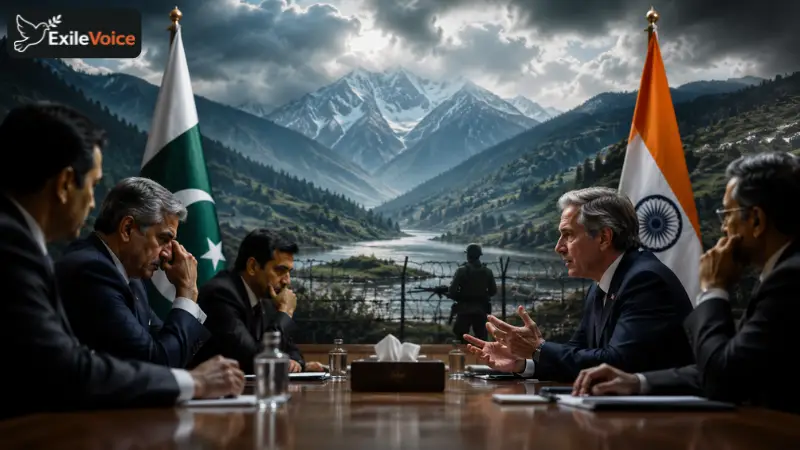
Recent diplomatic statements from the United States regarding the status of Kashmir have sparked significant debate and reactions across South Asia. The remarks, coming from the American Ambassador to India, have been interpreted by various factions as a clear shift in diplomatic positioning, causing distress in Pakistan and celebration in India.
The core of the controversy lies in the characterization of Kashmir as an "important part of India." For Pakistan, this is seen as a direct challenge to its historical position and the standing of UN Security Council resolutions, which have long defined the region as disputed territory. The diplomatic fallout includes a formal demarche issued by Pakistan’s Foreign Office, reflecting the gravity with which the state views these comments.
Beyond the immediate verbal exchange, the incident highlights the ongoing struggle for "strategic autonomy" in Pakistani foreign policy. The analysis suggests that while different administrations in Washington have maintained long-standing travel warnings for certain regions of Kashmir due to security concerns, the public endorsement of the region’s status by a high-ranking diplomat marks a notable departure from the ambiguity that often characterizes international diplomacy on this issue. Analysts argue that this places additional pressure on Pakistan’s diplomatic apparatus, which is already struggling to maintain relevance and international backing for its position on the Kashmir dispute. As South Asia continues to be a theater for great-power competition, the rhetoric surrounding these events underscores the complex, often fragile nature of international diplomatic alliances.