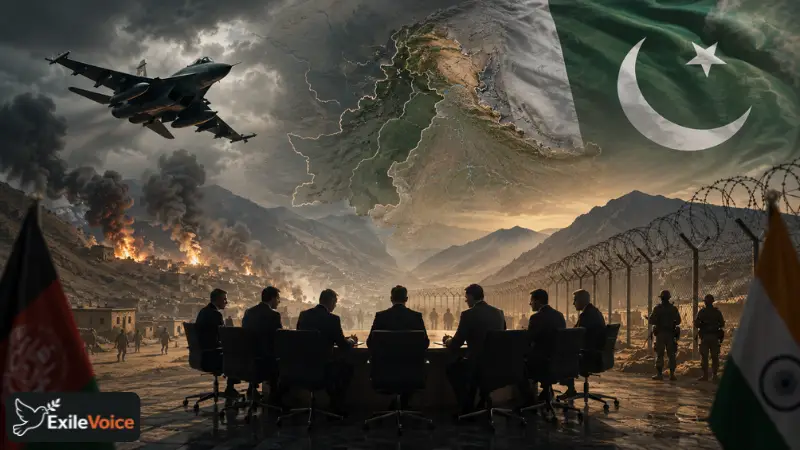
The recent military actions conducted by the Pakistan Air Force along the Afghan border have ignited significant international concern, highlighting a complex and potentially perilous shift in regional security dynamics. According to reports cited from diverse international media outlets, including the BBC, The Guardian, and The New York Times, these strikes represent a heightened escalation in Pakistan’s attempts to manage cross-border militancy.
The official narrative presented by the Pakistani government suggests that these were targeted, intelligence-based operations aimed at neutralizing elements responsible for domestic terrorism, specifically referencing attacks on security infrastructure in Karachi. However, the stark discrepancy between official claims of precision-strike success and the reported civilian casualties, figures ranging from 30 to 36 deaths, has drawn intense scrutiny from humanitarian organizations and global observers.
From a professional security and diplomatic perspective, this strategy appears to be reactive rather than proactive. By responding to domestic security failures with heavy-handed border actions, the state risks further alienating neighbors and exacerbating a cycle of violence that could have long-term destabilizing effects. The reliance on kinetic military solutions, while ignoring the deeper geopolitical and intelligence-sharing gaps, raises questions about the long-term effectiveness of the current security doctrine.
Furthermore, the simultaneous pursuit of behind-the-scenes "Track 2" diplomacy with India while projecting aggressive posturing toward Afghanistan creates a paradoxical foreign policy environment. This approach suggests a lack of strategic coherence, where the state seeks international validation for dialogue on one front, while utilizing force to manage complex regional security challenges on another. The regional reality dictates that security cannot be achieved in isolation; a comprehensive, diplomatic, and stable framework is required to address the root causes of militancy, rather than engaging in a cycle of reactive strikes that may undermine Pakistan's standing in the international community.