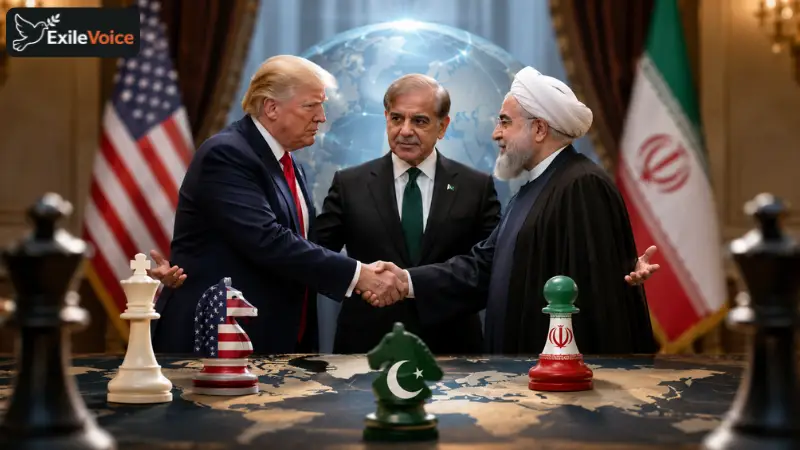
The recent signing of a peace agreement between the United States and Iran marks a watershed moment in Middle Eastern geopolitics, fundamentally altering the regional power balance. At the heart of this development is Pakistan's quiet but highly impactful diplomatic intervention. Reports suggest that Islamabad leveraged its unique position as an interlocutor to influence the terms of the memorandum of understanding (MoU), effectively ensuring that specific regional security concerns, particularly those relating to Lebanon, were addressed.
Analysts point out that Pakistan managed to gain the trust of both Washington and Tehran, facilitating a communication channel that kept the process focused on stabilizing the Iran-US dynamic while insulating it from external spoilers. By successfully convincing key American stakeholders to withhold the public release of specific details of the 14-point agreement, Pakistan prevented premature leaks that could have been weaponized by opponents of the deal, specifically within the Israeli security establishment.
This development has highlighted a growing friction in the US-Israel partnership. By effectively separating the Iran-US negotiation track from Israeli interference, Pakistan has displayed a level of "out-maneuvering" that few expected. Critics of the deal in Washington are already pointing to these diplomatic shifts as a sign of eroding influence for traditional US allies in the region. Furthermore, the exclusion of Israel from critical facets of these negotiations signals a significant pivot in how the Trump administration is navigating its Middle Eastern security architecture. For Pakistan, the objective remains clear: to safeguard regional interests while maintaining a delicate balance between its historical ties to the West and its strategic necessity to maintain stability with neighbors like Iran.