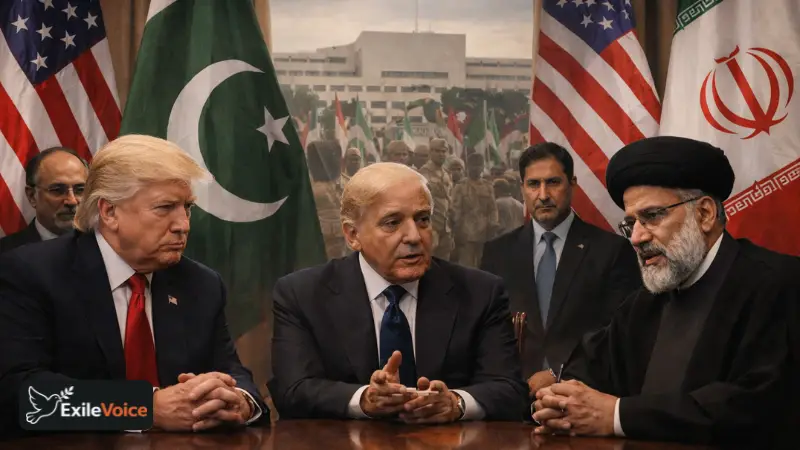
In a surprising turn of global events, Pakistan has emerged as a central figure in the efforts to de-escalate the expanding conflict in the Middle East. While many observers in Washington have overlooked Pakistan in recent years, Michael Kugelman argues that the country is a "natural choice" for mediation between the United States and Iran. This strategic positioning is not accidental but is built upon decades of unique diplomatic architecture and recent high-level military engagements.
One of the most significant, yet often forgotten, bureaucratic factors is that Pakistan represents Iran's diplomatic interests in Washington. Since the two nations do not share formal ties, a small "Iran section" exists within the Pakistani Embassy in Washington, D.C. This established channel provides a discreet and reliable go-between for the two adversaries. Beyond the bureaucratic, the diplomatic alignments have shifted in Pakistan's favor. Over the last year, Pakistan has maintained warm ties with both the Trump administration and the Iranian leadership, a stark contrast to the shaky relations of early 2024.
The "personality factor" in the current U.S. administration also plays a vital role. Reports indicate that the Pakistani leadership has successfully built trust with key figures in the Trump White House, including those involved in potential crypto-sphere deals and influential lobbying circles. This rapport was evidenced by President Trump’s public statement that the Pakistanis "know Iran better than most." While Pakistan has not yet hosted formal, direct talks in Islamabad, its current role as a facilitator, delivering U.S. proposals to Tehran, is essential for preventing a wider regional war.
However, this "moment in the sun" comes with a stark internal contradiction. While Pakistan enjoys geopolitical prominence, it continues to face severe domestic challenges, including economic stress, a resurgence of terrorism, and political repression. The mediation effort acts as a form of "geopolitical camouflage," highlighting the country's external utility while it struggles with internal stability. As Pakistan prepares to host regional talks with Turkish, Egyptian, and Saudi officials, the world is watching to see if this diplomatic momentum can lead to a sustainable peace or if the country’s internal fissures will eventually undermine its external successes.