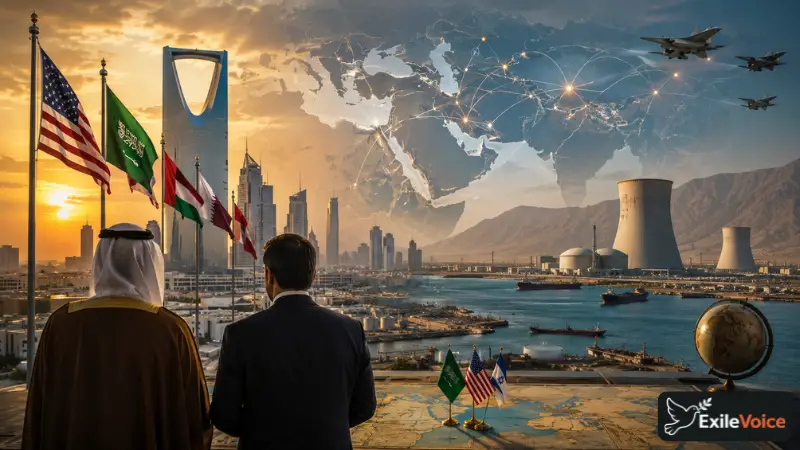
The Middle East continues to experience rapid geopolitical shifts, particularly concerning regional alliances, security architectures, and international technological agreements. Recent diplomatic developments highlight complex negotiations surrounding advanced civil nuclear cooperation and regional normalization frameworks. Major regional powers are carefully weighing the economic and strategic benefits of advanced technological partnerships against broader diplomatic principles, especially concerning ongoing conflicts and territorial sovereignty issues.
Strategic analysts observe that foreign policy decisions in capitals like Riyadh reflect a calculated approach to maintaining regional balance amid escalating security pressures. The interplay between bilateral security guarantees, defense arrangements, and broader diplomatic accords underscores the delicate nature of Middle Eastern diplomacy. As global superpowers introduce new policy prerequisites, regional leaders face critical choices that will shape the balance of power and security cooperation across the entire region for years to come.