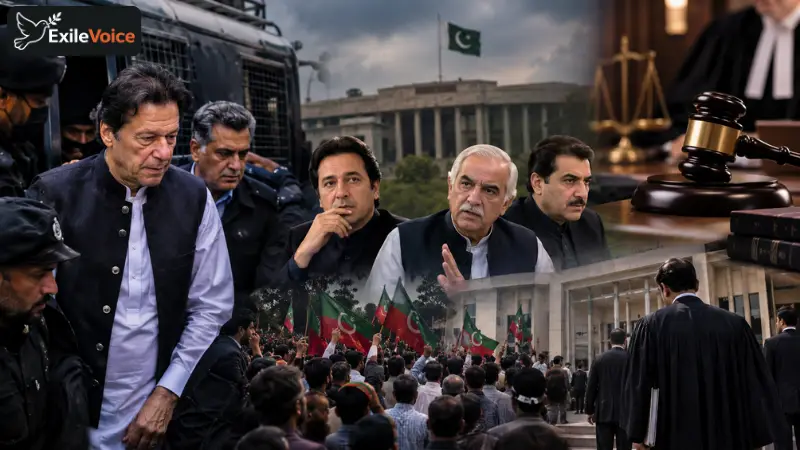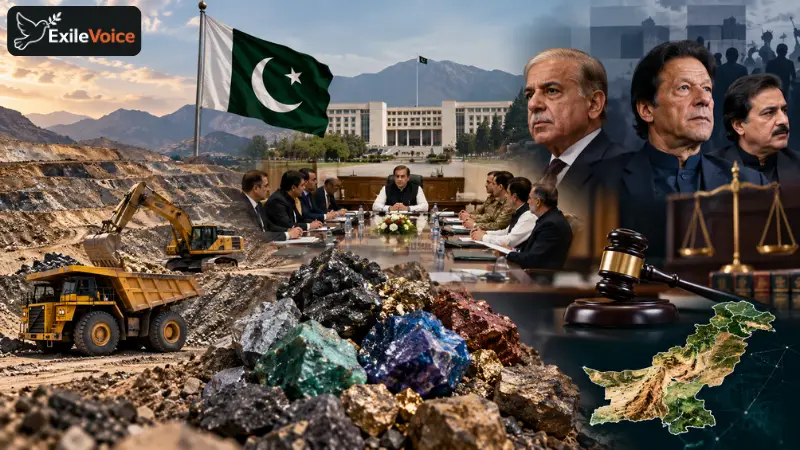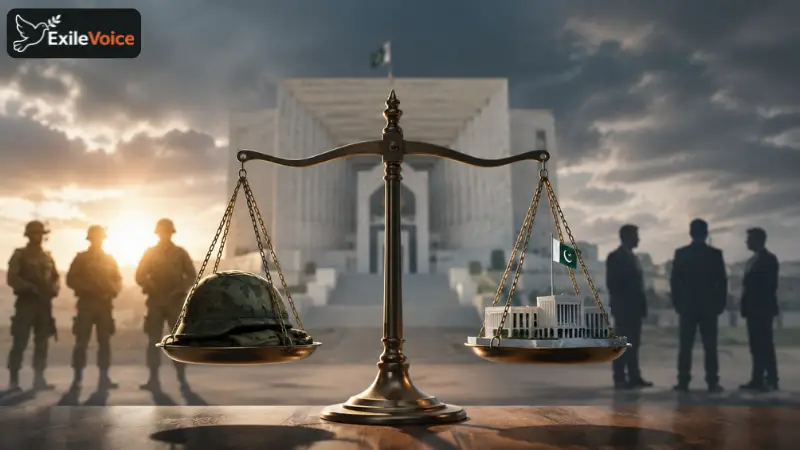
Civil-military relations remain a central theme in Pakistan's political landscape, influencing policy formulation, institutional oversight, and public administration. Recent discussions have focused on the distinct responsibilities of civilian leadership and military institutions, particularly concerning national security, economic management, and governance. Observers point out that clear role demarcations are essential for democratic stability and effective public service delivery.
The discourse often centers on the distribution of power among state institutions and the mechanisms of accountability. Political analysts argue that true institutional balance requires military leadership to operate strictly within the framework defined by the constitution, leaving legislative and executive decisions to elected representatives. Discussions also address public perceptions of governance, economic policies, and the challenges faced by citizens in daily life.
As debates continue, civil society and political stakeholders advocate for transparent governance, protection of fundamental rights, and robust accountability mechanisms across all state organs. Strengthening democratic institutions and ensuring that leadership answers directly to the public are viewed as critical steps toward long-term stability and national progress in Pakistan.