A series of high-level, discrete diplomatic engagements has signaled a complex realignment of intelligence and military partnerships across Eurasia. The developments highlight how traditional security structures are being rewritten by unconventional alliances, altering the balance of power across South Asia and the Middle East.
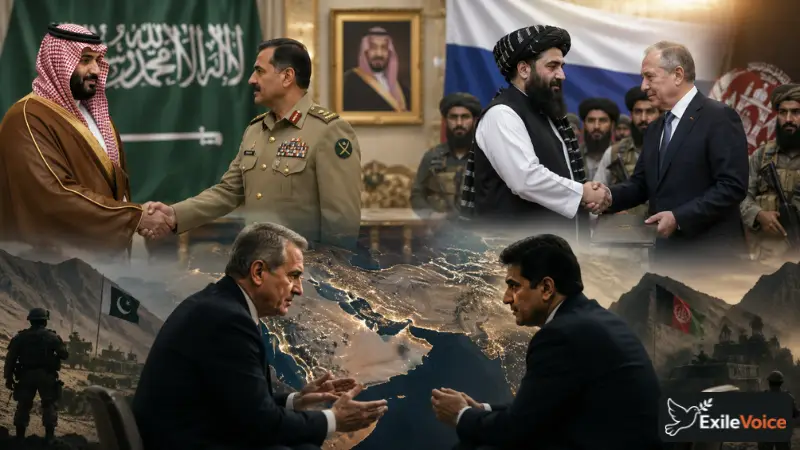
In a highly unusual move, Saudi Arabian authorities publicly publicized a meeting in Riyadh between Crown Prince Mohammed bin Salman and the Director-General of Pakistan's Inter-Services Intelligence (ISI), Lieutenant General Asim Malik. Typically, interactions involving foreign intelligence chiefs are kept strictly confidential within state archives. The decision by the Saudi leadership to release official imagery and publicize the encounter underscores its profound strategic weight.
While formal communiqués remained guarded, the timing of the meeting points directly to the rapidly shifting security dynamics in the Middle East, particularly the delicate ceasefire negotiations involving Iran. The discussions occurred against the backdrop of an increasingly complex regional landscape: one axis sees enhanced coordination between India, Israel, and the United Arab Emirates, while a parallel alignment forces closer strategic synchronization between Pakistan and Saudi Arabia. The intelligence dialogue likely focused on the positioning of Pakistani military assets in the Kingdom and navigating the complex security guarantees required to maintain stability across the Persian Gulf.
Simultaneously, an even more dramatic shift has taken place in Central Asia. Mullah Yaqoob, the defense minister of the Taliban-led administration in Afghanistan and son of the movement's founder Mullah Omar, has finalized a comprehensive defense partnership with the Russian Federation. This agreement marks a stunning historical irony, as the current Afghan leadership represents the direct ideological heirs of the 1980s Mujahideen who successfully fought the Soviet Red Army during its decade-long occupation of Afghanistan.
Russia stands out as the primary major power to formally engage the Taliban administration on structured defense and security terms, even as neighboring states maintain a more cautious approach. According to regional intelligence analysts, Kabul is pursuing a dual-track foreign policy: cultivating deep economic ties with India while anchoring its hard security, military training, and hardware procurement frameworks to Moscow.
Adding another layer to this intricate regional puzzle, Russia’s Deputy National Security Advisor, Alexander Vendikamp, reached out to his Pakistani counterpart, Azad Sajjad Khan, immediately prior to the finalization of the Russo-Afghan accord. Moscow extended a formal offer to act as a primary mediator to negotiate a lasting, stable peace agreement between Pakistan and Afghanistan. This proactive Russian diplomatic intervention demonstrates Moscow’s broader ambition to establish itself as the ultimate arbiter of Eurasian security, directly managing the volatile borders and historic animosities that define the region.