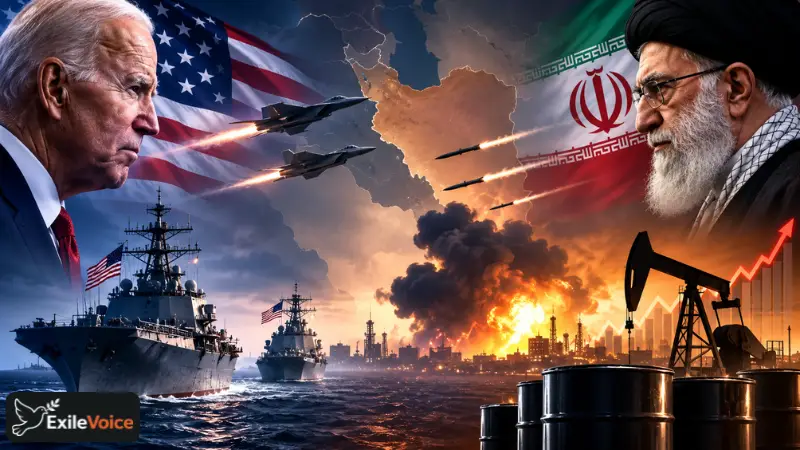
Global markets and diplomatic channels remain highly sensitive as military tensions between the United States and Iran escalate. Recent cross-border engagements and regional strikes, including attacks resulting in military casualties in Jordan, have prompted immediate defensive and retaliatory actions from Washington. These developments have introduced substantial volatility into international energy markets, with crude oil benchmarks experiencing notable upward pressure toward multi-month highs.
Diplomatic observers and security analysts express concern over the potential for miscalculation. While official rhetoric from various factions suggests a preference for contained engagements rather than a full-scale regional war, the risk of an unintended escalation remains a persistent threat. Incidents involving direct casualties on either side increase the pressure on leadership to respond decisively, potentially narrowing the window for diplomatic resolution. As international stakeholders monitor the situation closely, the delicate balance between deterrence and open conflict continues to dictate the security architecture of the region.