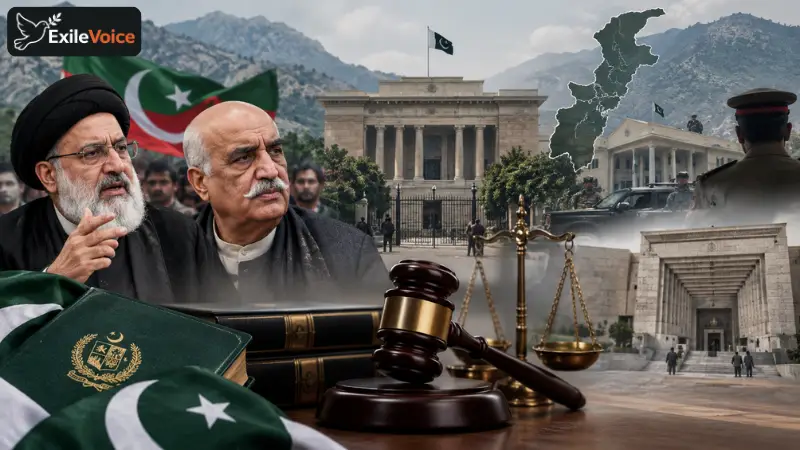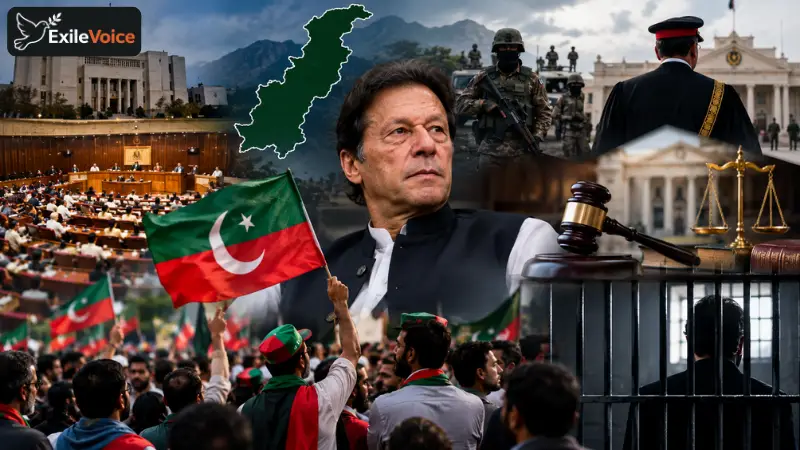
The political landscape in Azad Kashmir has become increasingly restrictive, as evidenced by new requirements for candidates standing for election. Prospective candidates are now reportedly required to sign an affidavit affirming their loyalty to the state and the military, as well as pledging not to oppose any government or administrative institution.
This development is viewed by many as a mechanism to pre-empt dissent and guarantee predetermined election results. By forcing candidates to essentially renounce their right to critique the administration, the process undermines the fundamental principles of a competitive democracy. Critics argue that these measures are intended to maintain a tight grip on power while maintaining a veneer of democratic legitimacy.
Furthermore, reports suggesting that intelligence agencies have linked the "Kashmir Action Committee" to foreign influence, specifically alleging them to be agents of external actors, further complicate the environment. These allegations, which often appear in "table stories" without clear evidence, serve to delegitimize grassroots movements and justify crackdowns on political opposition. As the region heads toward elections, the combination of mandatory loyalty oaths and the systematic discrediting of opposition groups paints a picture of a controlled political environment where the freedom to challenge the status quo is severely curtailed.