The fiscal landscape of Khyber Pakhtunkhwa (KP) has become a focal point of intense political and economic debate, centering on the province's budgetary planning amid broader national financial constraints. Recent developments reveal a complex tension between provincial governance and federal requirements, specifically regarding the handling of fiscal surpluses and federal resource requests.
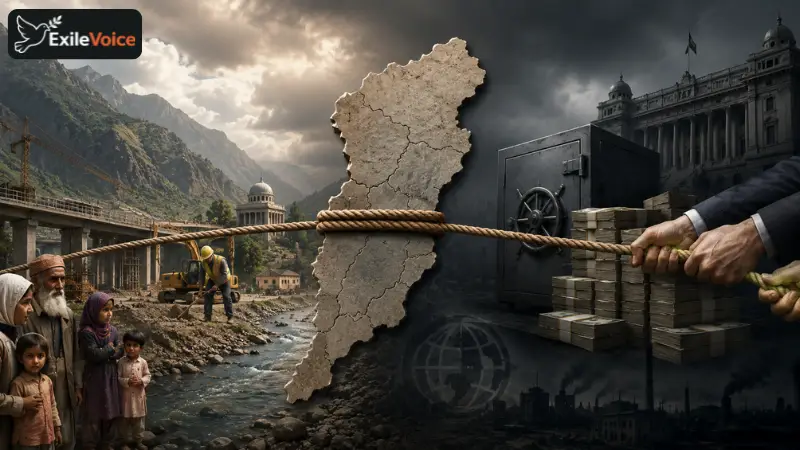
A central point of contention is the concept of a "surplus budget." Under existing arrangements with the International Monetary Fund (IMF), provinces are often required to maintain a surplus to help the federal government meet its debt repayment obligations. Critics argue that this effectively restricts development spending, as funds allocated on paper are restricted, leading to significant delays or complete stagnation in infrastructure and development projects.
Furthermore, there is a contentious demand for 175 billion PKR by federal authorities, reportedly intended for strategic reserves and national defense. The debate has intensified following public discourse suggesting that this allocation should not proceed without rigorous oversight and alignment with the political leadership of the Pakistan Tehreek-e-Insaf (PTI). The core concern raised is that if the annual budget is approved in its entirety without strict limitations, such as limiting the budget to a shorter term, like three months, the federal government may find ways to reallocate these funds through supplementary grants, effectively bypassing initial assurances.
The analysis highlights a recurring pattern of "creative accounting," where funds intended for development are parked in different heads, only to be redirected to cover federal deficits or meet external pressures. This raises critical questions about transparency, fiscal federalism, and the autonomy of provincial governments in managing their own developmental agendas. As the political maneuvering continues, the primary concern remains the impact on the populace, who face rising costs of living while developmental goals remain largely unfulfilled due to these fiscal complexities. The situation underscores a systemic struggle for economic sovereignty and the need for more transparent, accountable, and sustainable budgetary frameworks that prioritize the welfare of the provincial constituents over centralized debt-servicing requirements.