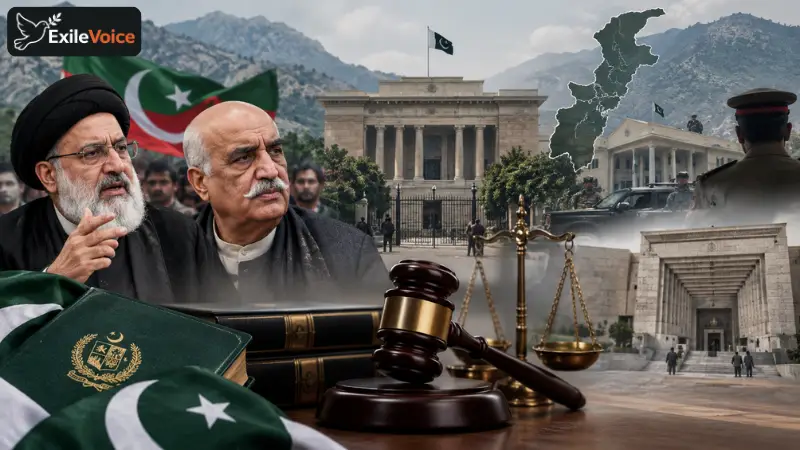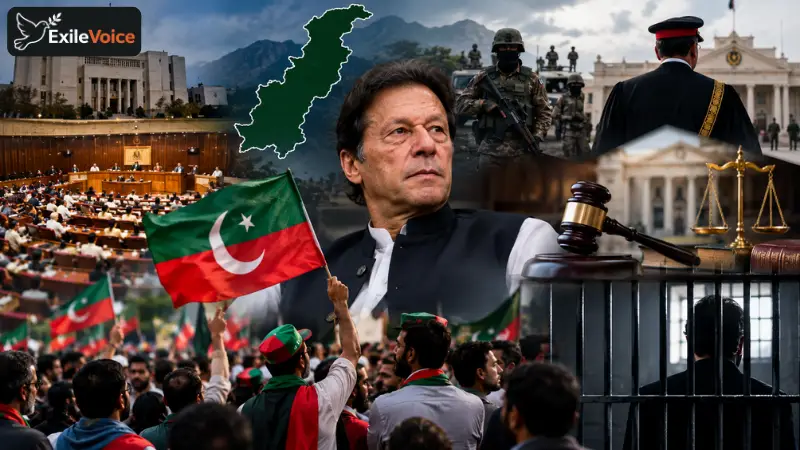
The political and diplomatic landscape in Pakistan has seen a series of high-profile developments, ranging from the relocation of international negotiations to controversial domestic appointments.
In the diplomatic arena, the government confirmed that negotiations initially intended for Islamabad were moved to Geneva and subsequently to Bürgenstock, Qatar, following international requests. This shift has drawn criticism from analysts who argue that the loss of hosting these talks reflects a decline in diplomatic influence. The involvement of a third party, such as Qatar, in mediating these discussions suggests that the negotiations are no longer exclusively under the oversight or influence of the Pakistani government.
Domestically, the political environment remains polarized. Recent news of a potential meeting between Pakistan Tehreek-e-Insaf (PTI) leadership and government representatives has led to widespread speculation. While some PTI officials have denied these reports, the discourse underscores the ongoing friction between political factions and the state apparatus.
Furthermore, the government has faced scrutiny over administrative appointments. The early retirement and subsequent appointment of Ayesha Humaira Chaudhry to a key position has been criticized by opposition figures as an example of nepotism, particularly given the broader context of fiscal austerity and public grievances. This appointment, coming shortly after similar changes in the Cabinet Division, has raised questions about the criteria used for high-level appointments within the civil service.
Finally, the political discourse remains heated, with debates over the role of various political actors in parliament. Critics argue that a lack of decorum and the use of inflammatory language by political spokespersons are detrimental to the democratic process. As the country navigates these complex challenges, the focus remains on whether these developments will lead to institutional reforms or further entrenched political instability.