The recent high-level diplomatic discussions held at the Burkenstock resort in Switzerland, intended to usher in a new chapter of engagement between the United States and Iran, have been thrown into chaos. Originally dubbed the "Islamabad Memorandum of Understanding" but now widely referred to as the "Lake Lucerne Summit," the proceedings faced a dramatic disruption following aggressive rhetoric from US President Donald Trump.
Reports indicate that President Trump issued a series of inflammatory statements via social media and mainstream media outlets, threatening severe military action against Iran and control over the Strait of Hormuz if his specific demands were not met. These comments, which included threats to disrupt global oil traffic and impose significant tolls, were interpreted by the Iranian delegation as a fundamental violation of the core principles underlying the diplomatic dialogue.
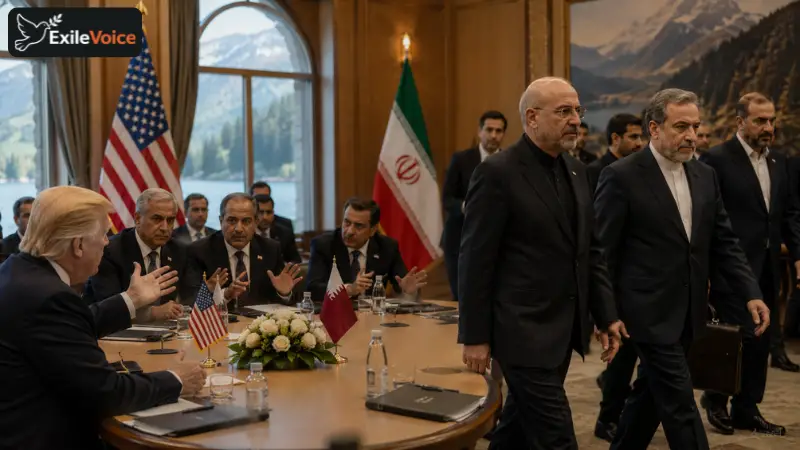
As tensions escalated, the Iranian delegation, led by Parliament Speaker Mohammad Bagher Ghalibaf and supported by Foreign Minister Abbas Araghchi, initiated a walkout. The situation created a visible scramble among the other participants, including Pakistani Prime Minister Shehbaz Sharif and Qatari officials, who attempted to mediate the crisis in real-time.
Observers suggest that while the Iranian delegation demonstrated a calculated and composed approach to maintain their position, the incident highlights a deeper friction between the desire for regional stability and the aggressive posture currently adopted by the US administration. Analysts believe that this "good cop, bad cop" dynamic, or perhaps genuine volatility, is designed to project a position of strength, though it risks alienating key stakeholders and undermining the credibility of the summit process. As of the latest reports, the future of the summit remains uncertain, with intense shuttle diplomacy underway to determine if the negotiations can resume.