

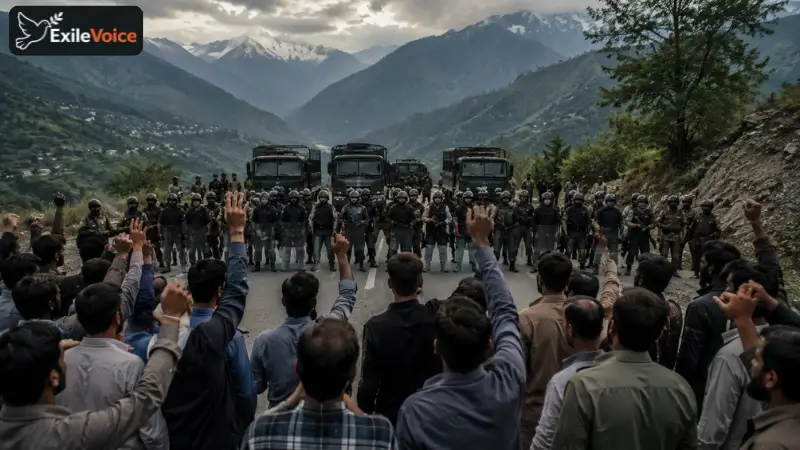
The political and social climate in Azad Kashmir has reached a critical juncture, marked by growing friction between local movements and the central governance structure of Pakistan. Recent events, specifically the obstruction of political delegations attempting to engage with the Joint Awami Action Committee, underscore a deepening divide that threatens to erode trust in state institutions.
From an analytical standpoint, the refusal to allow political leaders to cross into Azad Kashmir to initiate dialogue reflects a missed opportunity for crisis management. In a functioning democratic framework, political leaders are expected to serve as conduits for public grievances. By blocking these channels, the administration risks delegitimizing its own political processes and alienating the population of Azad Kashmir. The demand from civil society for recognition of their rights and for a meaningful dialogue regarding governance is a clarion call for the state to adopt a more empathetic and mature approach.
History provides stark lessons on the dangers of ignoring regional sentiments and failing to address local grievances through political engagement. The current situation requires a transition from state-centric control to a people-centric governance model. Professional observers note that the lack of transparent communication and the perceived indifference to the economic and social struggles of the Kashmiri people serve only to widen the existing rift.
The role of political parties in this context is paramount. It is not sufficient to issue statements of solidarity; there is an urgent need for proactive, physical engagement, sit-ins at the border or formal, sustained dialogue, to demonstrate a commitment to peace and stability. For the state, the challenge lies in shifting away from archaic security-first policies and toward a modern, inclusive strategy that prioritizes the welfare and voices of the people of Azad Kashmir. Without a genuine, transparent effort to integrate the demands of the local population into the national political discourse, the risk of sustained civil unrest remains high.

