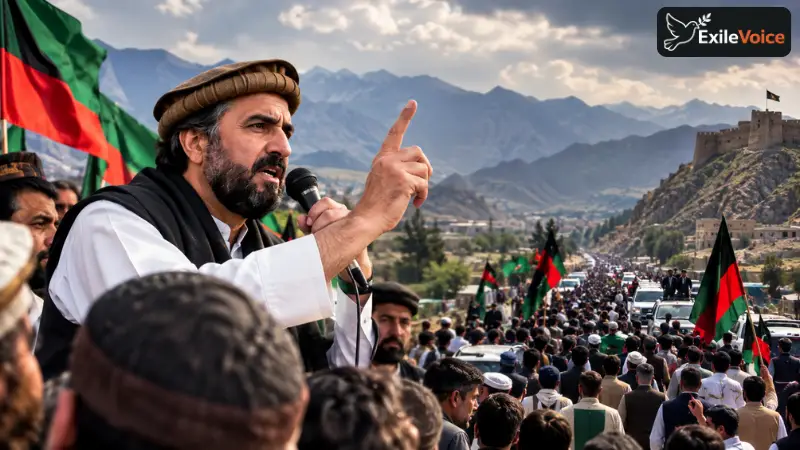
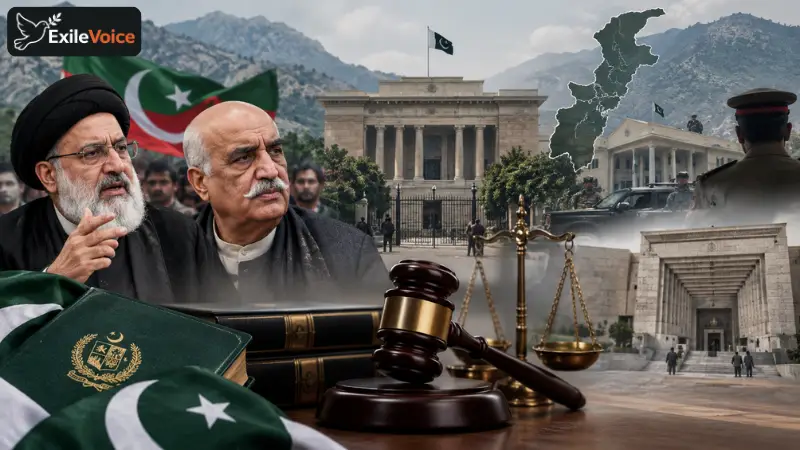
During the lead-up to elections in Azad Kashmir, Pakistan Peoples Party leader Bilawal Bhutto Zardari called for the establishment of a Truth and Reconciliation Commission to address ongoing political unrest and grievances. Pointing to international human rights reports and public broadcaster assessments highlighting local unrest and casualties, political figures are attempting to navigate deeply entrenched regional tensions. However, critics point out the historical precedents of such commissions globally, ranging from the failed implementations in Uganda to the successful accountability frameworks in post-apartheid South Africa. Observers argue that proposals for transitional justice must also address domestic human rights concerns and systemic issues within provincial jurisdictions, such as policing practices and missing persons cases. While the rhetoric surrounding truth and reconciliation resonates with progressive policy frameworks, bridging the gap between political promises and practical domestic implementation remains a critical challenge for leadership.

Bilawal Bhutto Zardari Proposes Truth and Reconciliation Commission Amid Kashmir Elections
AI Quick Read
- Bilawal Bhutto Zardari advocated for a Truth and Reconciliation Commission to resolve regional conflicts.
- Historical models from South Africa, Argentina, and Uganda provide comparative insights on transitional justice.
- Critics emphasize the need to address internal governance, law enforcement challenges, and local grievances simultaneously.
- The proposal was introduced against a backdrop of heightened political tension and international scrutiny over regional elections.