

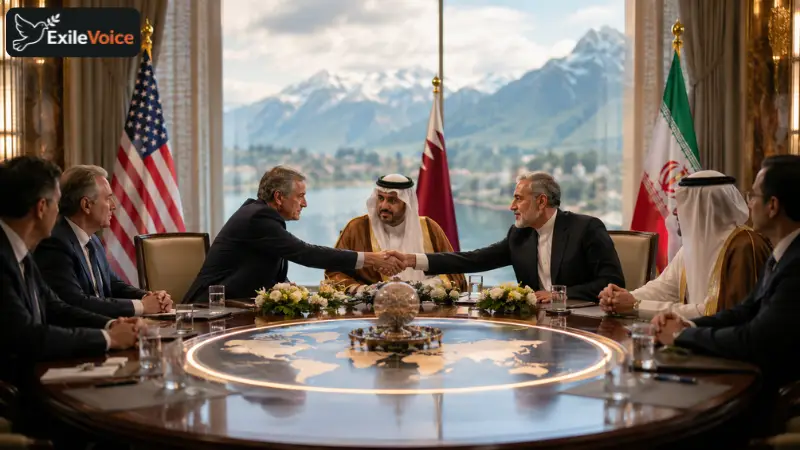
The recent diplomatic developments in Switzerland regarding the Iran-US nuclear framework mark a significant inflection point in Middle Eastern geopolitics. Following intensive negotiations, which were facilitated by Qatar and supported by regional actors, a new roadmap has emerged aimed at finalizing a comprehensive agreement within 60 days. This breakthrough is not merely a diplomatic exercise; it is a calculated effort to stabilize regional tensions and address long-standing nuclear proliferation concerns.
At the heart of these negotiations is a memorandum of understanding (MOU) that establishes a framework for sustained dialogue. A pivotal development in this session was the direct involvement of the United States, with high-level representation ensuring that concrete benchmarks were set. A critical achievement announced is the re-establishment of access for international inspectors to evaluate Iran's nuclear program. For Washington, preventing the development of a nuclear weapon remains the central objective, and obtaining this surveillance access is a key step toward ensuring transparency and compliance.
From the Iranian perspective, the negotiations have yielded significant strategic gains. The Iranian Foreign Ministry has highlighted several objectives achieved during these talks. First, the establishment of a control unit to monitor regional conflicts, including those in Lebanon, provides a structured mechanism for de-escalation. Second, the suspension of sanctions on the sale of oil, gas, and petrochemicals for the next 60 days provides Iran with crucial economic breathing room. By gaining access to international markets, Tehran is now permitted to sell its oil at global rates, a move that is expected to provide substantial fiscal relief. Furthermore, a written agreement has been reached regarding the release of frozen funds, with Qatar designated to facilitate the transfer of these assets to Iran.
The shift in regional dynamics is further underscored by the role of Qatar. Once subject to intense scrutiny and criticism from Pakistani military circles regarding the editorial stance of Al Jazeera, Qatar has now positioned itself as a central mediator. This diplomatic pivot highlights the pragmatic realities of international relations, where necessity often supersedes past disagreements. While the Pakistani military establishment had initially aspired for Islamabad to host these high-stakes negotiations, the preference for Switzerland, under Qatari influence, demonstrates a shift in the regional power balance and the reliance on alternative diplomatic platforms.
The successful implementation of this 60-day roadmap will depend heavily on the sustained commitment of both the United States and Iran to these agreed-upon parameters. As the global community watches these developments, the focus will remain on whether these initial gains can lead to a long-term, stable framework that effectively mitigates the threat of nuclear proliferation and regional instability.

