In the complex landscape of South Asian politics, the discourse is often dominated by mutual criticism between Pakistan and India. However, a deeper analysis reveals that both nations face systemic challenges related to governance, institutional accountability, and the protection of civil rights. The video presents a sobering look at how these issues manifest within both states.
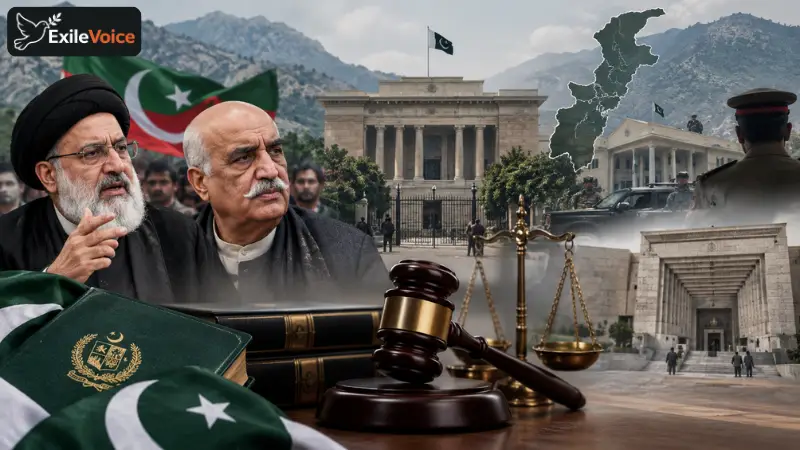
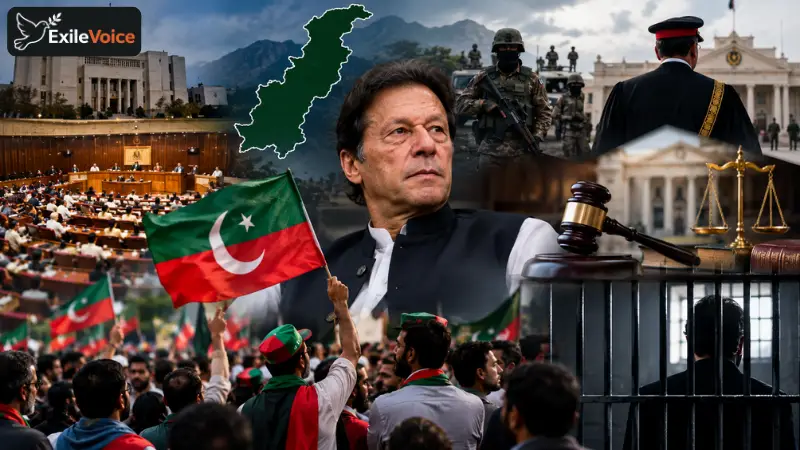
In Pakistan, the discussion revolves around the historical patterns of political manipulation, particularly concerning elections. The speaker argues that the political crisis is not limited to recent events but traces back decades, including controversial elections in 1970, 1990, and 2018. The critique extends to the role of the security establishment in shaping political outcomes, often at the expense of democratic processes. The argument is that true progress requires a critical examination of these institutional behaviors rather than focusing solely on current political figures.
Simultaneously, the article highlights significant concerns regarding institutional bias and rights violations in India. Reports of communal tension, the targeting of religious sites, and the aggressive posturing in foreign policy are cited as areas that warrant introspection. The speaker points out that while international attention is often focused on Pakistan’s internal affairs, the systemic issues within India, such as political corruption and the suppression of minority rights, are equally pressing.
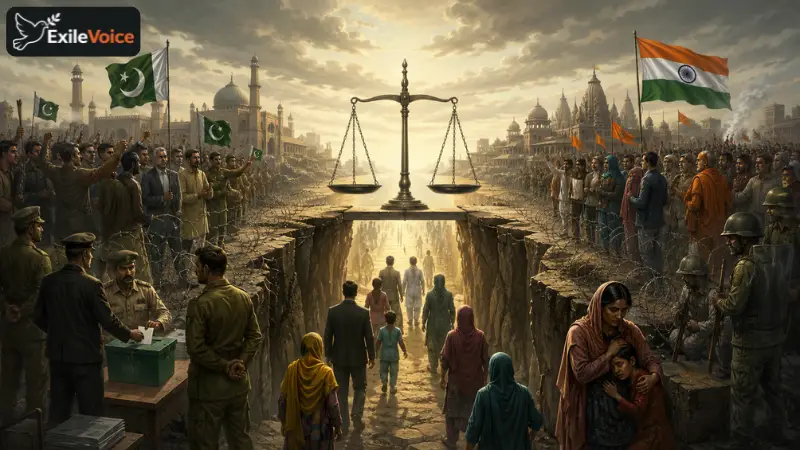
The core of the analysis suggests that both countries are often trapped in a cycle of "obsession" with the other, using mutual blame to deflect from domestic failures. By shifting the focus from external "othering" to internal reform, both nations could potentially address the root causes of their instability. Whether it is addressing judicial independence, ensuring fair electoral processes, or protecting the rights of all citizens, the pathway to sustainable development in South Asia requires a commitment to accountability that transcends political posturing. The call to action is for a more introspective approach to journalism and governance, prioritizing the needs of the population over the interests of the political and military elite.