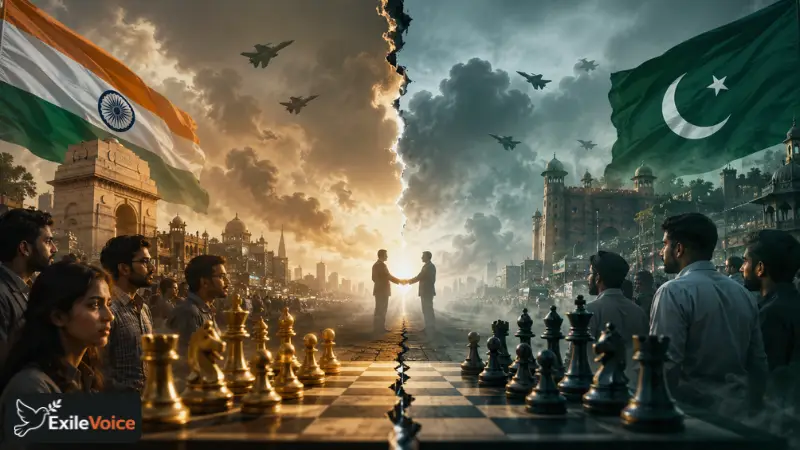
The longstanding rivalry between India and Pakistan has historically been defined by territorial disputes, military confrontations, and deep-seated cultural and political friction. However, the most recent chapter in this history suggests that the battle for dominance is increasingly shifting from the battlefield to the realm of "narrative warfare."
Observers of the region have noted that while the strategic and military dynamics remain intense, there is a growing realization that international perception, and the ability to sway it, is becoming as critical as physical posturing. The recent tensions between the two nations, and the subsequent involvement of international mediators like President Trump, have created a complex diplomatic environment. For India, which has historically enjoyed significant soft power through its global cultural influence, the recent shift in the diplomatic spotlight toward Pakistan has been a point of significant scrutiny.
The tension is exacerbated by the unpredictability of international relations, where alliances can shift rapidly. While India has traditionally maintained a close rapport with Western administrations, the recent favor shown by the Trump administration toward Pakistan’s leadership has caused unease in New Delhi. The discourse in India reflects a debate over whether the country is being sidelined or if a more reserved, "quiet diplomacy" approach is better suited for a volatile global climate.
Simultaneously, in Pakistan, there is a distinct sentiment that the country has achieved a significant victory in the "war of narratives". This feeling of having "won" the argument on the world stage, regardless of the military outcome, has provided a boost to national morale. Yet, this intense focus on external diplomacy often obscures the underlying realities of the two nations, namely, the economic challenges, internal social issues, and the shared history that continues to bind them.
The path forward for both India and Pakistan remains fraught with challenges. The deep-rooted skepticism and the lack of traditional, open channels for dialogue hinder progress. However, experts argue that the future of the subcontinent depends on moving beyond the binary of enmity toward a more pragmatic, economy-focused, and people-to-people engagement. For true regional stability, the focus must shift from short-term diplomatic gains to addressing the structural issues that have kept both nations in a state of perpetual tension since partition.