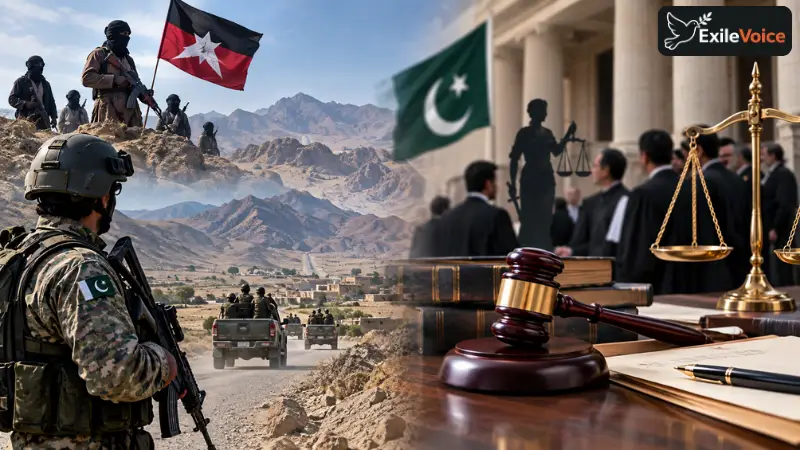
Pakistan faces simultaneous challenges across security enforcement and judicial institutional integrity, as highlighted by developments in Balochistan and ongoing legal controversies within bar associations. In southwestern Pakistan, security forces continue to confront operational challenges against non-state militant outfits, including the banned Baloch Liberation Army (BLA), which has sought to disrupt administrative writ in remote districts such as Kharan and Kalat.
Security analysts emphasize the imperative of transparent reporting and comprehensive counter-terrorism operations to safeguard personnel and uphold state authority in border regions. The balancing act between strategic communications, public information, and operational security remains a crucial focal point for civil-military leadership seeking long-term stability in Balochistan.
Concurrently, debate surrounding judicial qualifications and institutional appointments has surfaced within the legal fraternity. Recent public controversies involving senior legal figures and political actors, including disputes raised over professional credentials and representation in judicial commissions, highlight the pressing need for structural reform in Pakistan's legal institutions.
Calls for transparent vetting procedures, academic verification, and institutional accountability are gaining traction among legal professionals and political commentators. Reforming legal oversight and restoring administrative authority in vulnerable regions represent two critical pillars for strengthening democratic governance and rule of law across the country.