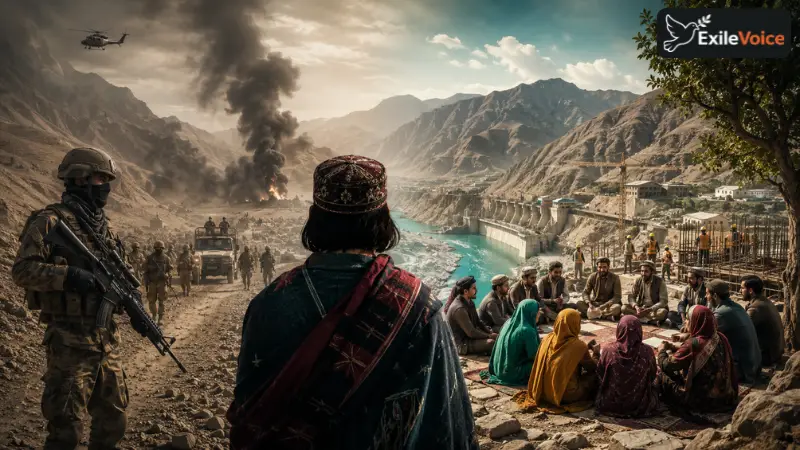
Balochistan remains one of Pakistan's most complex security challenges, characterized by a cyclical nature of violence and a deepening alienation of its population. Recent attacks, including those targeting construction projects like the Mangi Dam, underscore the intensifying nature of the insurgency. While government authorities often attribute these acts to specific militant groups, the broader issue revolves around the socio-economic and political disenfranchisement of the Baloch people.
The state’s current approach, heavily reliant on military and bureaucratic control, has struggled to find a long-term solution. For decades, the region has experienced waves of instability, and analysts note that the sophistication of militant tactics is steadily increasing. The belief held by some segments of the civil-military bureaucracy, that insurgency is merely a law-and-order problem that can be resolved through force or by waiting out the militants, is increasingly viewed as flawed.
A critical missing component in the state’s strategy is the integration of the local population as genuine stakeholders in Pakistan’s future. If a state functions as a corporate entity, it must ensure that value and opportunity are distributed among all its shareholders. When a significant portion of the population feels excluded from the benefits of the state’s resources and political process, the legitimacy of the entire structure is called into question.
Furthermore, the suppression of civil rights activists and the marginalization of political voices only serve to deepen the divide. Negotiating with legitimate political representatives rather than relying solely on force is essential for de-escalating the situation. Without addressing the underlying grievances, ranging from economic development and access to basic necessities to political representation, the cycle of instability is likely to persist. The future of Balochistan depends on a fundamental shift from a security-first approach to one that prioritizes inclusivity and political reconciliation.