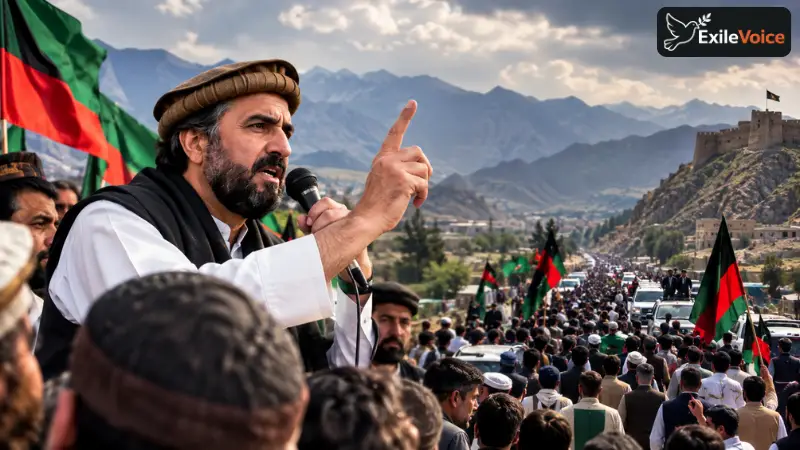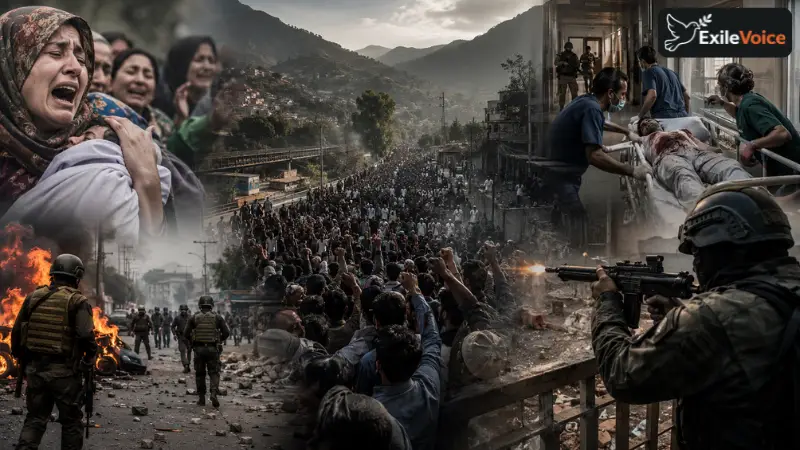
The geopolitical landscape of Azad Kashmir has taken a deeply troubling turn, marked by unprecedented civil unrest and severe allegations of human rights violations. Reports emerging from the ground indicate an alarming escalation in violence, bringing international scrutiny to the region's governance and security apparatus. At the center of this gathering storm are shocking claims surrounding security forces, specifically the Rangers, and their operational tactics against civilian populations in volatile areas like Kotli.
Prominent local leaders and human rights advocates, including Shaukat Nawaz Mir of the Kashmir Action Committee, have brought forward highly disturbing allegations. According to audio statements and eyewitness accounts circulating across digital platforms, security forces reportedly entered medical facilities, including District Headquarters (DHQ) Hospitals, where they allegedly targeted injured protesters under the guise of maintaining law and order. The allegations suggest that individuals seeking treatment for bullet wounds were targeted within hospital premises, and casualties were removed by security personnel in an apparent attempt to obscure the true scale of the casualties.
The gravity of these claims has resonated deeply within the journalistic community. Reputable reporters on the ground, such as Basharat Raja, have provided corroborating timelines of the events in Kotli. According to these accounts, initial clashes led to the deaths of civilians, whose families subsequently transported the bodies to the hospital. Security forces reportedly followed the funeral processions and grieving relatives into the hospital courtyard, initiating a secondary round of gunfire that breached critical care units, including the CCU, and resulted in further loss of life. While independent verification of the absolute casualty numbers remains highly constrained due to communication blackouts and media restrictions, the consistency of the narratives from credible media professionals on the ground highlights a severe operational overreach.
The response from public officials has further inflamed an already volatile situation. A controversial video address by the Inspector General (IG) of Police for Azad Kashmir, Malik Liaqat, highlighted a rigid, uncompromising stance from the regional administration. Rather than calling for independent inquiries or de-escalation, the leadership issued a stern warning, stating that the state would meet force with force and that security personnel would not hesitate to engage directly with what they categorized as miscreants or anti-state elements. This militaristic rhetoric, combined with past systemic records of the enforcement leadership, underscores a deep structural disconnect between the administrative elite and the citizenry.
The root causes of this mass mobilization go far beyond immediate political flashpoints. The thousands of citizens clogging the transit corridors towards Muzaffarabad are driven by decades of systemic economic neglect, extreme inflation, prohibitive electricity tariffs, and a near-total absence of basic social infrastructure. Major district headquarters across Azad Kashmir reportedly operate without essential medical diagnostics, such as MRI machinery, forcing vulnerable populations to travel vast distances for basic healthcare.
As traditional political parties face accusations of compromising local autonomy for federal power, grassroots entities like the Action Committee have filled the leadership vacuum. The federal state’s response, instituting high-value bounties on civilian leaders under the banner of sedition and anti-state mutiny, mirrors historical colonial-era crackdowns rather than modern democratic engagement, pushing the region further toward structural destabilization.