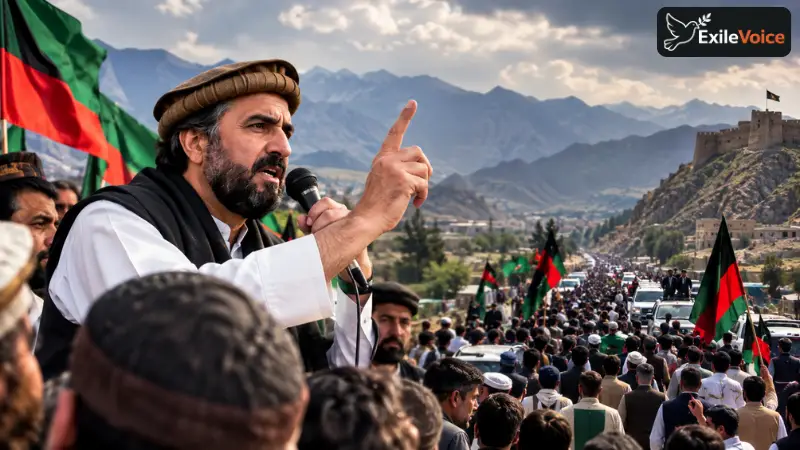
The geopolitical landscape of Azad Jammu and Kashmir (AJK) is undergoing a profound and highly volatile shift as state-enforced crackdowns, widespread digital blackouts, and extensive civil mobilization intersect. At the core of this escalating crisis is the Jammu Kashmir Joint Awami Action Committee (JAAC), an umbrella alliance spearheading continuous public demonstrations initially triggered by fundamental economic grievances. Over the past several months, the JAAC has mobilized local populations across key sectors to demand equitable socioeconomic rights, including fair electricity pricing proportional to local hydroelectric generation, uniform wheat subsidies, infrastructural improvements, and structural educational reforms.
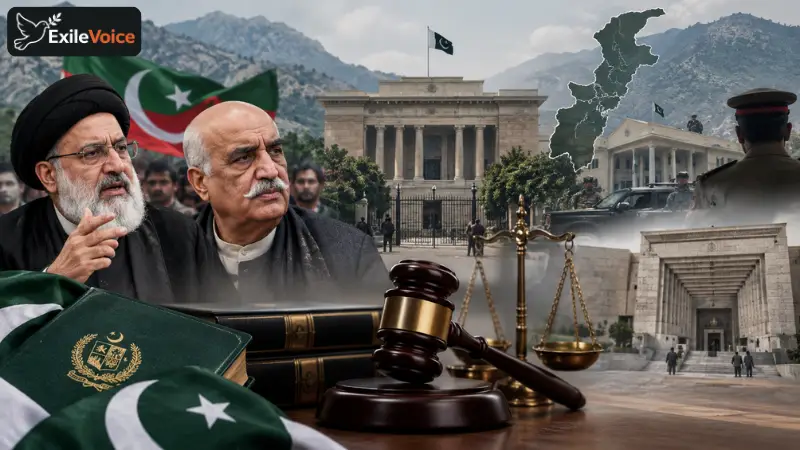
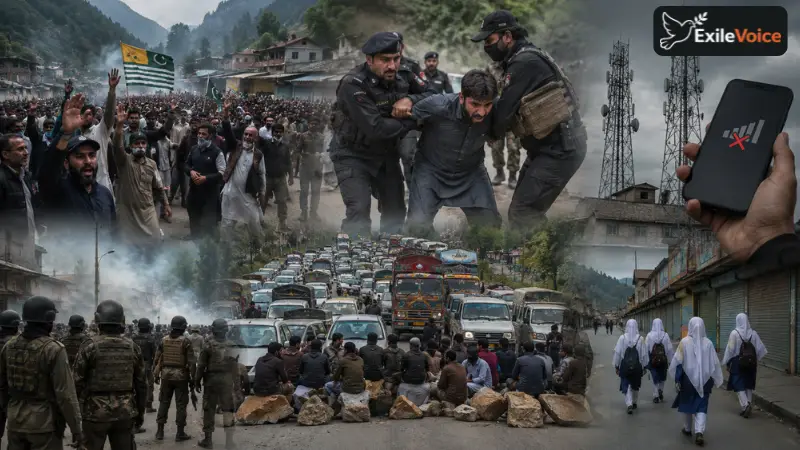
What began as localized economic advocacy has transformed into a sweeping political movement, meeting significant institutional resistance. Azad Jammu and Kashmir Police authorities, under the leadership of Inspector General Malik Liaqat, recently announced the formal arrest of dozens of core JAAC members and active participants. In a move that has drawn widespread criticism from legal experts and civil liberties advocates, state authorities have applied anti-terrorism legislation to suppress political dissent. Official state narratives have sought to frame the leadership of the JAAC as actors operating with foreign assistance, a rhetorical pivot that local analysts warn could permanently alienate the region's population.
The operational strategy deployed to manage the protests relies heavily on institutional tools historically used to control political dissent in other provinces. Observers point out that the strategic redeployment of key security personnel, including the appointment of senior police and military officers with recent experience managing political unrest in Punjab, indicates a calculated shift toward a zero-tolerance administrative policy. This approach has led to a noticeable fracture within the state machinery itself. International media reports indicate that several local law enforcement personnel have openly refused deployment orders to AJK, expressing reluctance to engage in operational clampdowns against native populations. This internal resistance highlights the complex moral and professional dilemmas faced by local law enforcement officers when tasked with policing their own communities under exceptional legal frameworks.
On the ground, administrative restrictions have severely disrupted daily life and commerce. The provincial government has suspended internet and mobile communication services across multiple sectors, closed public educational institutions, and postponed regional examinations. Rather than neutralizing public mobilization, these communication blackouts have prompted protestors to adapt their tactics. Activists are currently utilizing traditional localized public address systems and mosque loudspeakers to coordinate logistics and sustain momentum. Key transit arteries, most notably the Azad Pattan entry point, a critical logistical bridge connecting Pakistan to AJK, have been systematically blocked by protestors, effectively halting trade and vehicular movement.
Prominent policy experts and veteran statesmen have publicly criticized the state's heavy-handed methodology. Critics argue that utilizing anti-terrorism mechanisms against peaceful civic actors is counterproductive, particularly at a time when regional dynamics require diplomatic care. Observers note that by manufacturing a severe domestic crisis within AJK, the state risks undermining its long-standing international stance on Kashmir, potentially providing external adversaries with strategic opportunities to exploit internal governance failures.
Despite escalating tensions, the JAAC leadership continues to emphasize non-violent civic resistance. Core organizers like Shaukat Nawaz Mir have issued strict directives to their followers to avoid property destruction and physical altercations with security forces. The committee maintains that their campaign is built on constitutional accountability, civic awareness, and institutional dialogue. However, with the regional administration adopting an unyielding stance and ruling out further negotiations with groups labeled as disruptive, the likelihood of a peaceful resolution remains uncertain. The scheduled long march and expanding shutter-down strikes indicate that AJK is entering a prolonged period of political confrontation, with deep implications for regional stability.