Traditional military analysis often assumes a centralized command-and-control model, where orders flow from a single General Headquarters down to the ranks. However, the Islamic Revolutionary Guard Corps (IRGC) operates on a fundamentally different architecture designed for resilience in the face of leadership decapitation. This "Autonomous Command" structure is the result of four decades of preparation, specifically designed to sustain military operations on "cruise control" even during periods of extreme central disruption.
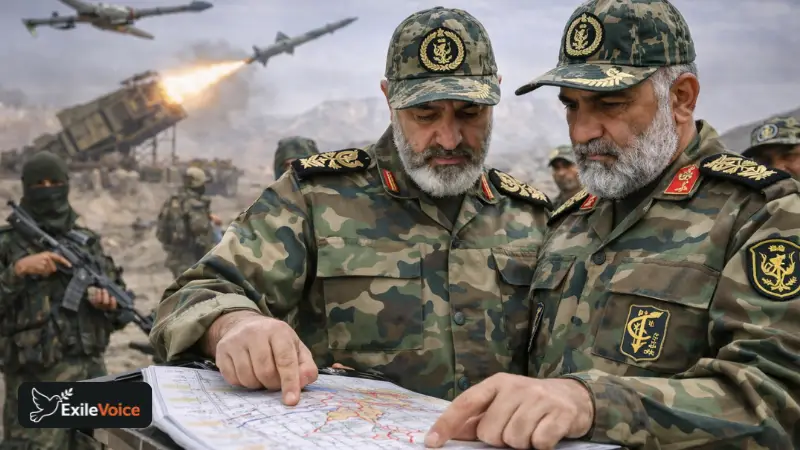
The IRGC is not a monolithic entity but a constellation of 20 to 30 highly autonomous commands. This decentralized system includes specialized wings for naval operations, international commandos (notably active in Lebanon and Syria), missile technology, and domestic intelligence. Unlike the traditional military structures seen in neighboring countries, where a central figure oversees a unified corps, the Iranian model empowers individual unit commanders to act independently based on pre-established strategic objectives.
This doctrine of decentralization was forged in the fires of the 1980s Iran-Iraq war and further refined through decades of monitoring U.S. naval capabilities in the Persian Gulf. By observing the technological advantages of Western powers, the Iranian military pivoted toward an asymmetric model where no single strike can paralyze the entire system. Even if central communication is severed or high-ranking officials are targeted, individual units are governed by "sealed envelope" protocols,specific, pre-determined instructions left by the leadership to ensure the mission continues without explicit real-time orders.
This structural resilience poses a significant challenge for Western strategists. In a traditional conflict, the destruction of a central headquarters often signals the end of organized resistance. In the Iranian context, targeting the "head" of the snake does not necessarily stop the "body" from striking. Individual commanders overseeing coastal defense, cyber warfare, or regional proxies can continue their specific operations indefinitely. This creates a "Pandora’s Box" scenario where a conflict, once initiated, is exceptionally difficult to conclude through conventional military victory. The IRGC’s ability to function on "cruise control" ensures that Iran remains a formidable adversary capable of sustaining a "forever war" across multiple, independent fronts.