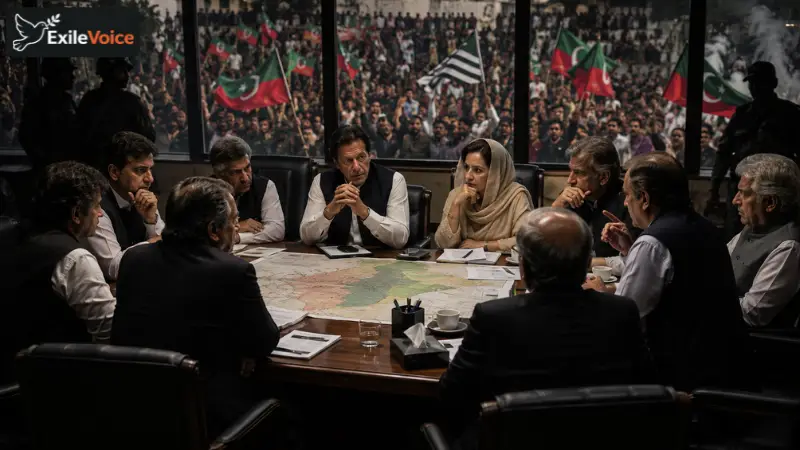
The political landscape in Pakistan has once again entered a phase of intense speculation and internal friction, centered around the announcement of a long march scheduled for September 27. Recent analyses shed light on the origins of this timeline and the friction it has caused within top-tier political decision-making circles. According to senior political insiders, the call for September 27 did not stem from formal, unified consensus within the core committee or the political committee of the party. While grassroots pressure and public expectations have steadily mounted for a decisive political maneuver, key leadership figures expressed surprise at the selected date, noting that earlier expectations pointed toward mid-August, coinciding with historical dates associated with national independence and political awakening.
This divergence in planning highlights a broader debate regarding the timing and efficacy of opposition tactics. Critics within and outside political factions question whether delaying mass mobilization by nearly two months serves a strategic purpose or merely diffuses momentum. Proponents of the timeline argue that extended preparation allows for broader coalition-building, incorporating religious and regional political forces to strengthen a unified front. However, skepticism remains regarding whether such delays play into the hands of the establishment by providing a prolonged window to stabilize governance, manage ongoing regional unrest, and neutralize immediate political pressure.
Furthermore, public remarks by prominent political figures, including Aleema Khan, have underscored the disconnect between grassroots expectations and executive decisions made by regional leadership. Questions regarding why immediate mobilization was bypassed in favor of a distant date have amplified internal friction. Observers note that effective political opposition requires synchronized planning, transparent communication with party ranks, and a cohesive narrative that resonates with the public desire for judicial relief, the protection of civil liberties, and systemic political reforms.