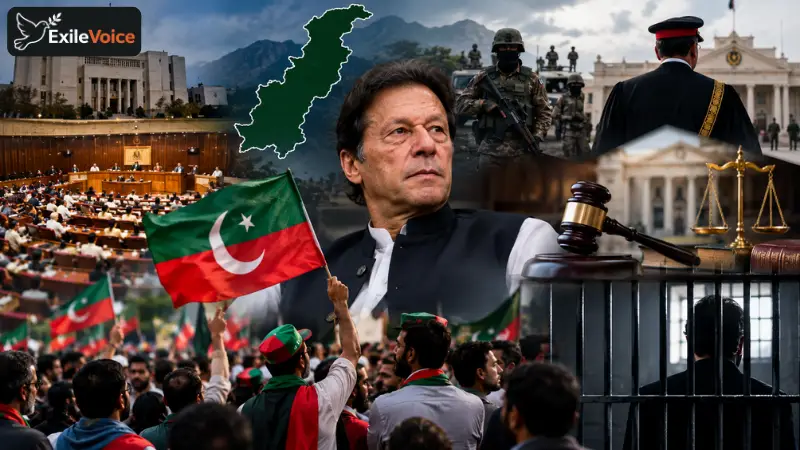
Modern governance and statecraft frequently intersect with specialized security operations designed to manage political dissent and public unrest. In various geopolitical contexts, security apparatuses establish dedicated task forces tasked with unconventional crisis management. These specialized units operate differently from conventional military formations, which are primarily trained for traditional defense, territorial protection, or combat against external adversaries. When security forces are deployed internally to manage civilian movements, protests, or political opposition, the operational dynamics shift significantly.
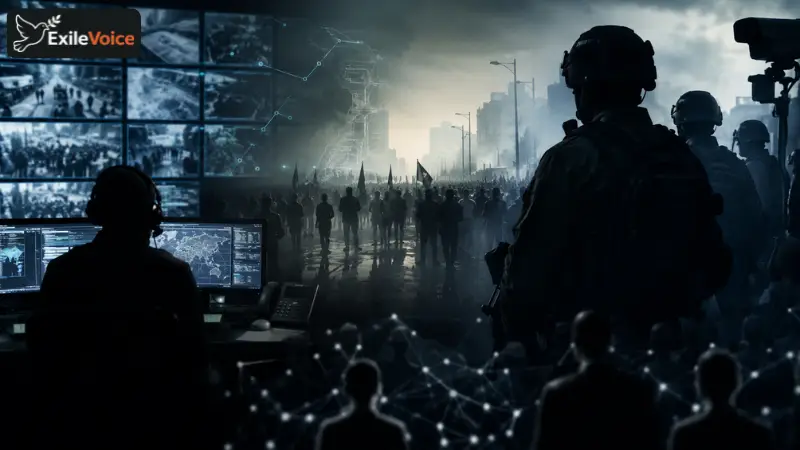
Historically, military and paramilitary organizations undergo rigorous conditioning, specialized training, and acclimatization before deployment into specific operational zones, whether navigating mountainous terrains or managing urban environments. However, applying military-style tactics to domestic populations creates unique structural and ethical challenges. Specialized counter-intelligence wings and internal security units often utilize advanced surveillance, psychological warfare strategies, and information control to shape public narratives and suppress opposition movements.
Moreover, political communications and official statements surrounding domestic elections or regional governance frequently face scrutiny regarding accuracy and transparency. Discrepancies between official government claims and ground realities highlight the complexities of information management in modern states. Observers and analysts continually monitor these developments to understand the broader implications of state security measures on democratic norms, institutional integrity, and civil liberties.