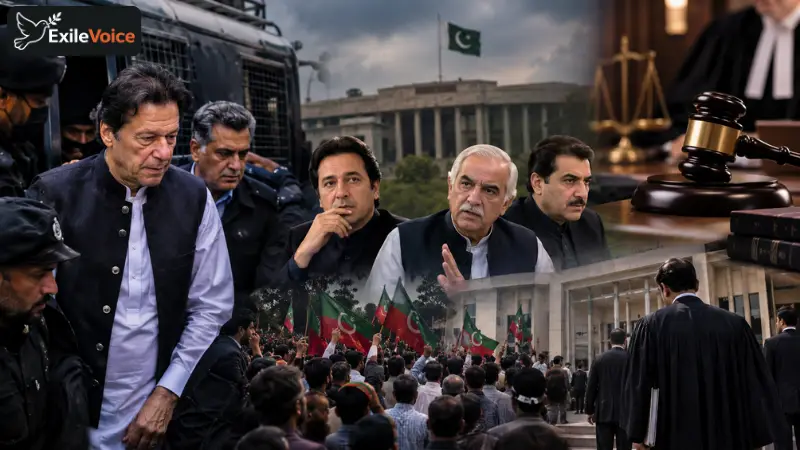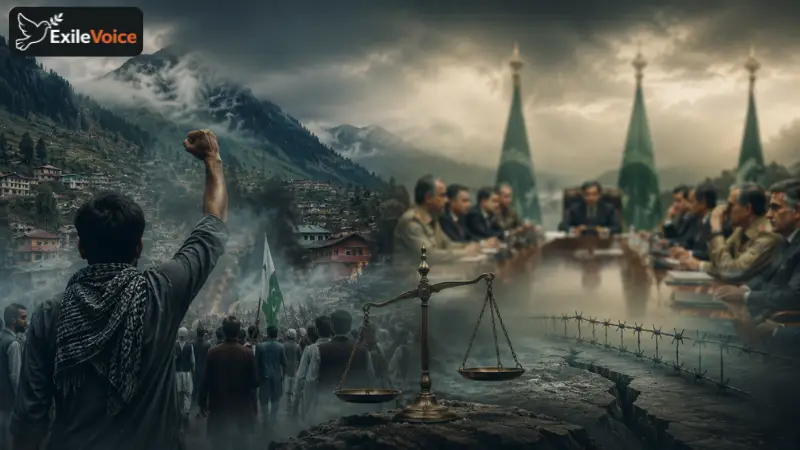
Recent developments in Azad Kashmir have brought severe domestic and international scrutiny, with comparisons increasingly drawn to conflict zones and historical grievances. Observers note a critical juncture regarding state management, civil rights, and governance transparency.
Political analysts have pointed out statements from former public officeholders highlighting the urgent need for structural transformation toward a constitutionally driven state apparatus rather than a rigid administrative model. Reports from the region indicate profound public distress, communication barriers, and severe humanitarian challenges, prompting intense discourse across digital platforms and international commentary channels.
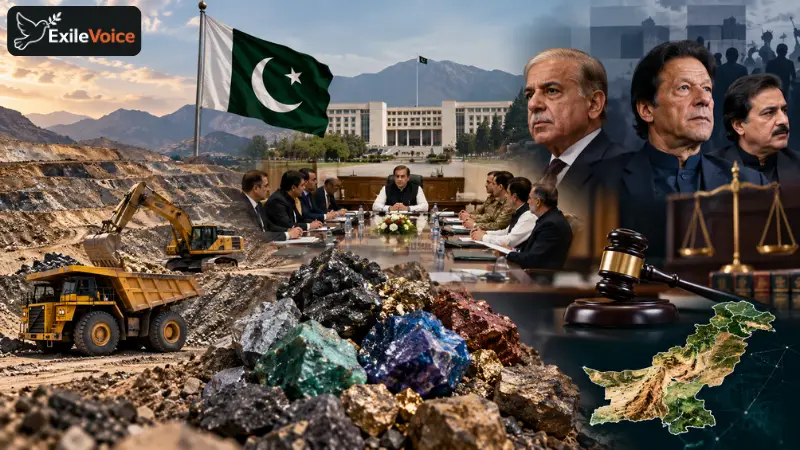
Concurrently, debates surrounding bureaucratic behavior and institutional symbolism have surfaced, focusing on administrative meetings involving civil servants and political representatives. Critics and analysts have dissected official body language and display protocols, using these visual cues to discuss broader questions concerning civil-military dynamics and the constitutional hierarchy of national symbols.
As public pressure mounts and civil society voices demand accountability, the ongoing discourse reflects deeper systemic anxieties regarding governance, human rights protection, and the rule of law across the country.