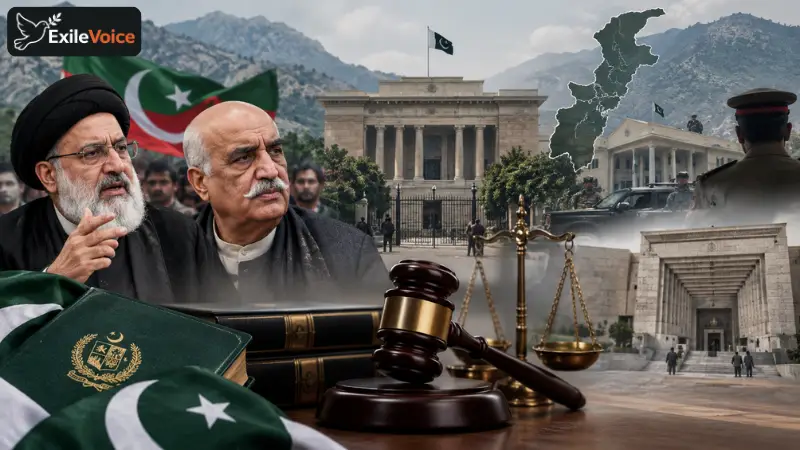
The phenomenon of enforced disappearances in Pakistan has long been a subject of intense domestic and international scrutiny, representing a severe challenge to human rights and the rule of law. While the issue is often associated with the contemporary political climate, historical analysis reveals that it is deeply entrenched in the state's structural operations, spanning several decades and affecting diverse demographics across the country.
The state’s own mechanisms, specifically the Commission of Inquiry on Enforced Disappearances (COIED), have acknowledged thousands of cases. Despite official reports indicating that a majority of these cases have been "disposed of", a term that encompasses a range of outcomes including deaths, judicial custody, or returns, a significant number remain under active investigation. This enduring gap between official figures and the reality faced by affected families highlights a profound trust deficit between the citizenry and the state apparatus.
Historically, this practice has not been restricted to a single region or group. From the political turbulence in urban centers like Karachi during the 1980s and 1990s to the volatile security environment in the erstwhile tribal areas during the War on Terror, various segments of society have experienced the systemic removal of individuals. Even in regions like Gilgit-Baltistan and Kashmir, the state’s approach to security and geopolitical objectives has left many families without answers regarding the fates of their loved ones.
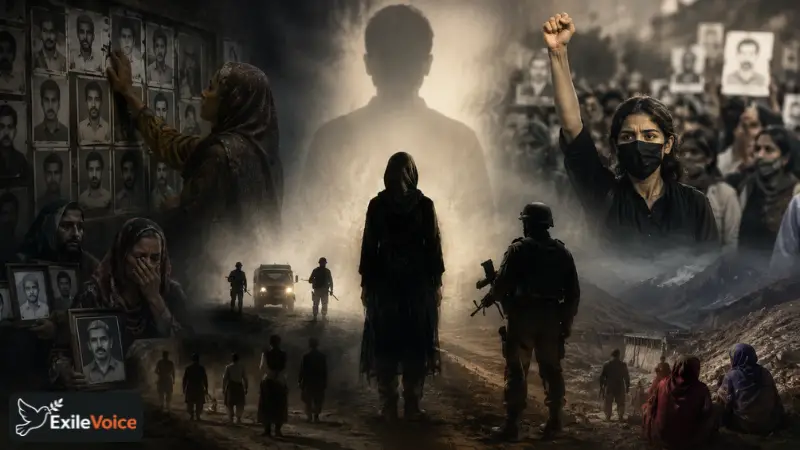
In Balochistan, however, the narrative takes on a unique and particularly poignant character. The insurgency and subsequent state response have evolved over decades, moving away from a traditional tribal model involving local sardars (chieftains) toward a modern, widespread grassroots movement. Today, the movement is driven not just by tribal leadership but by middle-class activists, students, doctors, and human rights defenders. The sentencing of activist Mahrung Baloch serves as a critical flashpoint in this ongoing struggle. Her case is emblematic of a broader shift where the state is increasingly clashing with a new generation of political actors who demand accountability and transparency regarding "kill and dump" policies.
As Pakistan navigates its multifaceted security challenges, the issue of missing persons remains a critical barometer of the state’s adherence to democratic norms. Addressing this crisis requires more than administrative commissions; it necessitates a fundamental reassessment of how the state interacts with its citizens and its commitment to upholding individual liberties.