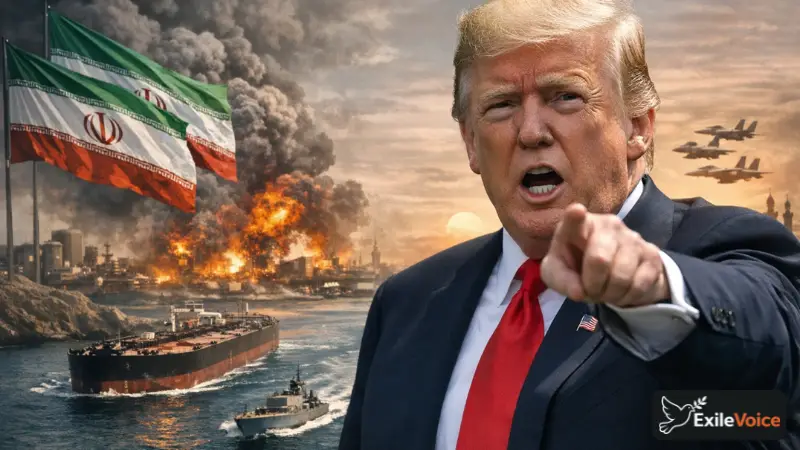
In an unprecedented departure from traditional presidential decorum, President Donald J. Trump’s recent public statements during the Easter holiday have sent shockwaves through the international diplomatic community. While Easter is traditionally marked by messages of peace and reconciliation, the current administration has utilized the occasion to issue stern warnings and aggressive ultimatums regarding the ongoing conflict in the Middle East, specifically targeting Iran and the strategic Strait of Hormuz.
The rhetoric employed, characterized by blunt language and direct threats to civilian infrastructure such as power plants and bridges, marks a significant shift in American foreign policy communication. Beyond the aggressive tone, the President’s use of religious terminology in a sarcastic context has drawn sharp criticism from a broad spectrum of domestic and international observers. Critics argue that such language not only devalues the office of the presidency but also risks alienating millions of Muslim voters domestically and strategic partners across the Islamic world.
Internally, the "Easter Disaster," as dubbed by some analysts, has caused a fracture within the President's own base. Former staunch supporters, including high-profile conservative figures, have begun to question whether the current administration’s approach aligns with traditional Christian values of compassion and restraint. The backlash is not limited to the political left; right-wing nationalists and international strategists are voicing concerns over the "diminished judgment" displayed in these public outbursts. The concern is that an unhinged diplomatic style could lead to a "crusade-like" perception of the conflict, further radicalizing regional actors and complicating any future peace negotiations.
Furthermore, the economic rationale provided by the administration has come under scrutiny. While the President previously asserted that the U.S. is energy independent and does not require Middle Eastern oil, the recent threats to "open the straits" suggest a lingering strategic anxiety. This contradiction highlights a potential gap between public rhetoric and the underlying realities of global energy security. As the deadline for Iran to reopen the Strait of Hormuz approaches, the international community remains on edge, watching whether this "rhetoric of escalation" will manifest into a direct kinetic confrontation or serve as a high-stakes bargaining tactic.