

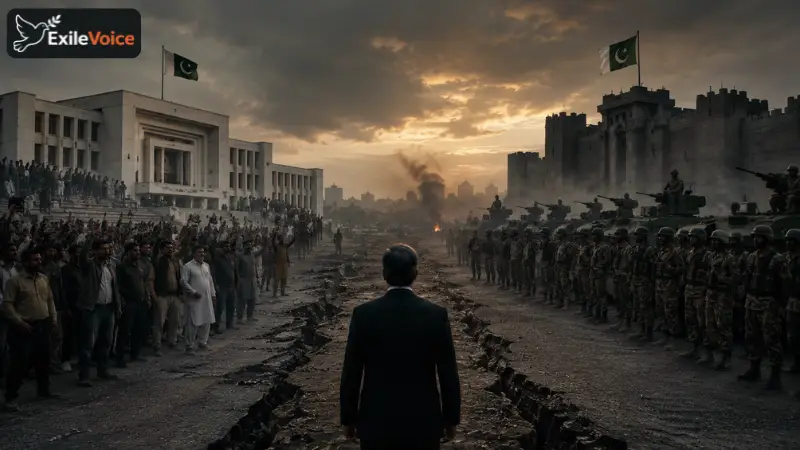
The political landscape of Pakistan continues to experience structural volatility, driven by shifting power dynamics, civilian military relations, and institutional friction. Recent developments highlight growing tensions between civilian political figures and military leadership. Observers note that systemic challenges within the governance framework have amplified public disillusionment, particularly regarding electoral credibility and democratic processes.
Discussions surrounding governance models and systemic reforms have gained traction among political analysts. While parliamentary democracy remains the official framework, debates persist over alternative administrative structures and the role of key power brokers. Public sentiment reflects widespread frustration with governance outcomes, economic pressures, and accountability mechanisms across federal and regional levels.
Furthermore, regional friction, particularly concerning administrative control and political unrest in Jammu and Kashmir, adds complexity to the national security matrix. International reactions, including statements from neighboring states and global media coverage, underscore the heightened geopolitical scrutiny facing the country. As domestic challenges mount, the trajectory of political leadership and institutional reform remains a critical focal point for observers tracking South Asian affairs.

