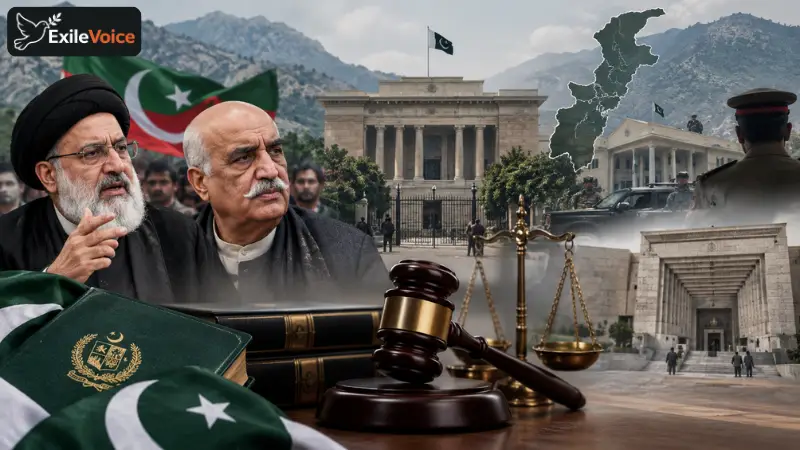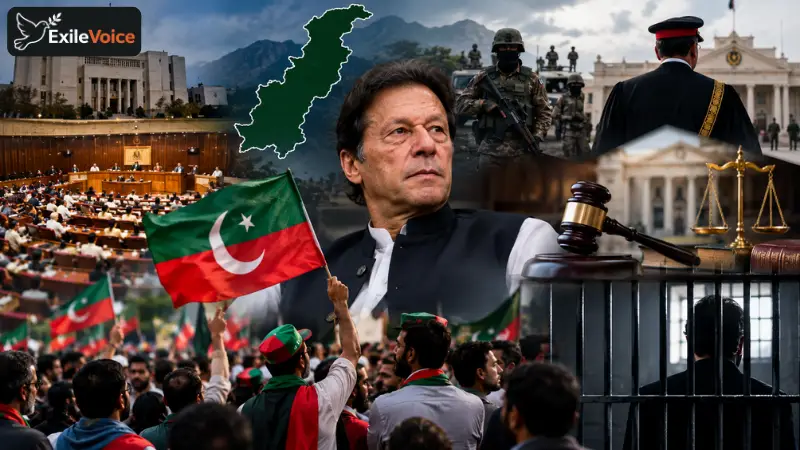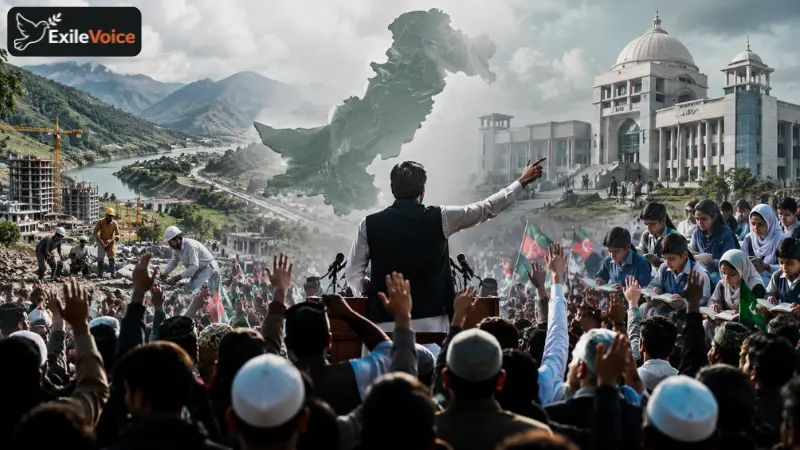
Political rallies and public addresses remain a central component of Pakistan's political strategy, often serving as platforms for leaders to articulate policy visions, address regional grievances, and rally electoral support. Recent political campaigns, particularly those focused on regions like Azad Jammu and Kashmir and various provincial constituencies, provide significant insight into the prevailing political discourse and voter sentiment.
During recent public gatherings, prominent political figures addressed crowds with appeals centered on regional identity, development promises, and historical affiliations. However, these rallies also underscore a widening gap between traditional political messaging and the evolving expectations of an increasingly connected electorate. Analysts note that contemporary voters, equipped with digital tools and widespread social media access, are increasingly critical of repetitive rhetoric and long-standing developmental disparities that remain unaddressed despite decades of alternating governance.
Regional development remains a contentious issue in political campaigns. While leaders frequently highlight proposed infrastructure projects, educational initiatives, and public welfare programs, critics and opposition commentators point out persistent infrastructural bottlenecks and economic hardships faced by ordinary citizens. The juxtaposition of grand developmental promises with the daily realities of inflation, energy shortages, and administrative inefficiencies often generates skepticism among the electorate.
Moreover, the tone of political discourse frequently reflects deep polarization. Speeches delivered by major political actors often target rival parties, accusing opponents of historical governance failures while defending their own records. This continuous cycle of recrimination can overshadow substantive policy debates on critical issues such as economic stabilization, employment generation, and administrative decentralization.
Political analysts emphasize that as public awareness evolves, political parties will face mounting pressure to move beyond symbolic rhetoric and deliver concrete, measurable results. The shift toward a more politically conscious populace suggests that future electoral outcomes will increasingly depend on transparent governance, economic competence, and verifiable socio-economic progress rather than traditional political posturing.