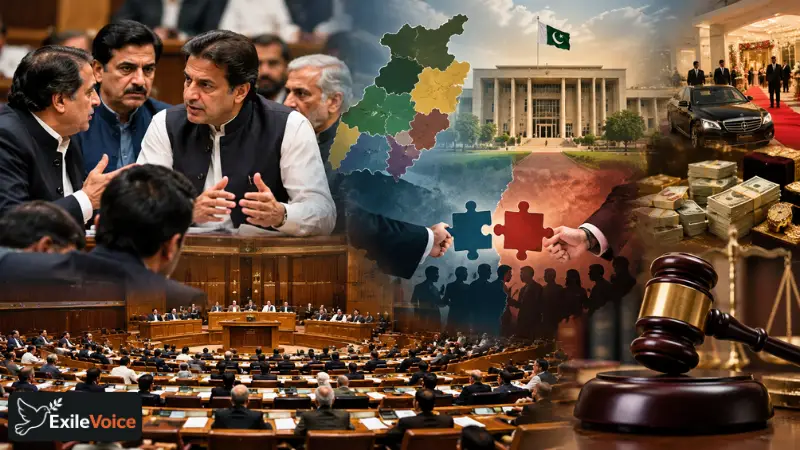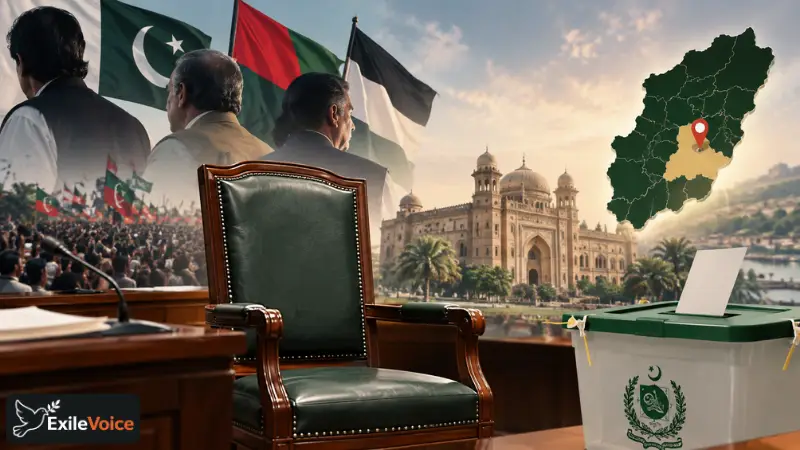
The contemporary political landscape in Pakistan continues to experience intense shifts, driven by high stakes electoral contests, strategic seat adjustments, and evolving alliances among major political factions. Recent discussions surrounding constituencies such as Bahawalpur and prominent political figures highlight the volatile nature of electoral politics in the country. Observers and analysts have closely monitored these developments, noting how local dynamics can significantly impact broader national political strategies.
Electoral contests in regions like Bahawalpur often serve as crucial barometers for shifting voter sentiments and party influence. Political maneuvering in these areas involves complex calculations regarding candidate selection, local patronage networks, and public perception of governance. When key seats become vacant or contested fiercely by opposing factions, the resulting political friction brings underlying strategic vulnerabilities to the surface. Parties must navigate public scrutiny while attempting to consolidate their voter bases ahead of upcoming legislative or local government cycles.
Furthermore, the involvement of prominent political families and figures adds layers of intrigue to these electoral battles. Public reactions to seat vacancies and subsequent campaigns frequently reflect broader discontent or approval regarding economic policies, administrative decisions, and institutional relationships. As political actors position themselves for future leverage, analytical evaluation of these regional contests provides valuable insights into the stability and direction of the national political framework. Stakeholders across the political spectrum must therefore adapt swiftly to changing grassroots dynamics to maintain relevance and electoral viability.