The recent judicial developments concerning the transfer of former Prime Minister Imran Khan from Adiala Jail to Shifa International Hospital have sparked significant political debate in Pakistan. This analysis explores the legal requirements, the political maneuvers by opposing factions, and the broader implications for the rule of law.
The Supreme Court of Pakistan issued a clear, water-tight directive mandating the transfer of Imran Khan to Shifa International Hospital for medical care, citing Article 9 of the Constitution, which guarantees fundamental rights, including the right to life and health. To ensure compliance, Khan’s legal team and family, specifically his sister Uzma Khan, obtained certified copies of the court orders and submitted them to jail authorities. This action effectively removed any legal ambiguity or pretexts the government could use to delay the transfer. Despite the Islamabad Chief Commissioner filing a revision petition to challenge the order, legal experts maintain that the Supreme Court’s decision, rooted in constitutional rights, overrides standard jail regulations.
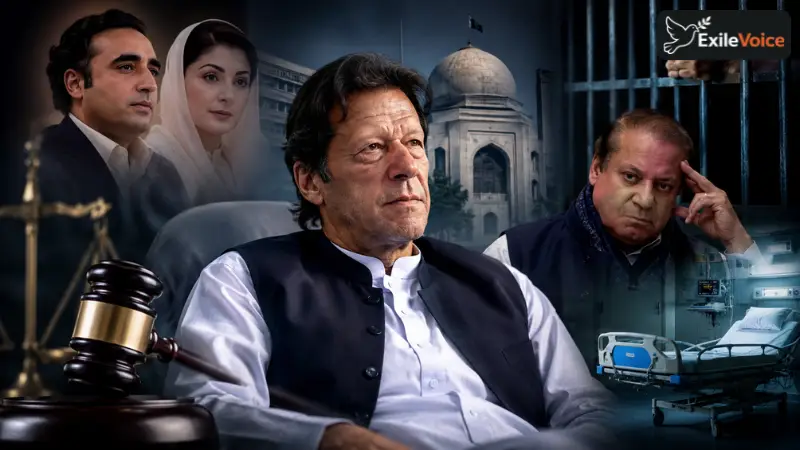
The video highlights a significant rift within the ruling coalition. While senior figures in the PPP, such as Bilawal Bhutto Zardari, have publicly stated that a prisoner’s access to medical care is a fundamental right, they have also hinted at underlying tensions. Bilawal’s comments suggesting that "something is rotten" in the handling of these affairs, specifically pointing towards the leadership in Jati Umra (Nawaz Sharif and Maryam Nawaz), underscore a lack of cohesion. Furthermore, the PML-N's attempts to delay the implementation, despite public declarations of adherence to court orders, reflect a broader panic and apprehension regarding the changing political landscape.
The discourse surrounding Khan’s health is contrasted sharply with the past experiences of Nawaz Sharif, particularly the controversy over his medical treatment and subsequent departure abroad. Critics point out the inconsistency in political narratives, highlighting how leaders often utilize medical grounds for strategic exits or political positioning. The analysis emphasizes that while historical figures like Khawaja Asif have previously championed the necessity of medical care for their own leaders, the current resistance to providing similar relief to Imran Khan demonstrates the deep-seated political antagonism that defines the current climate in Pakistan.