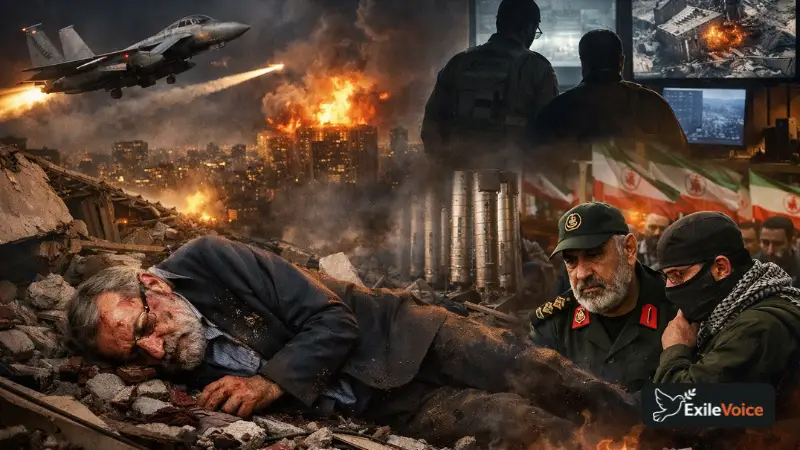
The geopolitical landscape of the Middle East has been jolted by reports indicating the assassination of Ali Larijani, a towering figure in Iranian politics and the current Secretary of the Supreme National Security Council. While the Iranian government has yet to issue an official confirmation, the claim originated from high-level Israeli defense officials and has since been circulated by major international news outlets including Reuters, The New York Times, and CNN.
Ali Larijani was not merely a bureaucrat; he was a pillar of the Iranian establishment. Having served as the Speaker of the Parliament for twelve years and as the Chief Nuclear Negotiator, he possessed a unique blend of legislative experience and strategic depth. Following the martyrdom of Seyyed Ali Khamenei, Larijani emerged as a de facto supreme leader figure, bridging the gap in the transition of power. His loss, if confirmed, represents the most significant blow to the Iranian leadership hierarchy in recent history.
The technical precision of the alleged strike highlights a terrifying advancement in modern warfare. Reports suggest that Israel utilized high-precision missiles, possibly from the "Sparrow" family, capable of striking specific rooms within a building from thousands of kilometers away . This level of accuracy raises urgent questions about the vulnerability of high-ranking officials who continue to reside in standard residential apartments rather than fortified underground bunkers.
Beyond the immediate loss of a leader, this event signifies a breakdown in diplomatic backchannels. It has been revealed that prior to the escalation, negotiations regarding uranium enrichment were nearing a successful conclusion. The sudden shift toward kinetic action suggests a deliberate move by regional actors to bypass diplomacy in favor of a "decisive solution." The implications for regional stability are profound, as the removal of a moderate yet influential voice like Larijani’s could empower hardline factions within Iran, further escalating an already volatile situation.