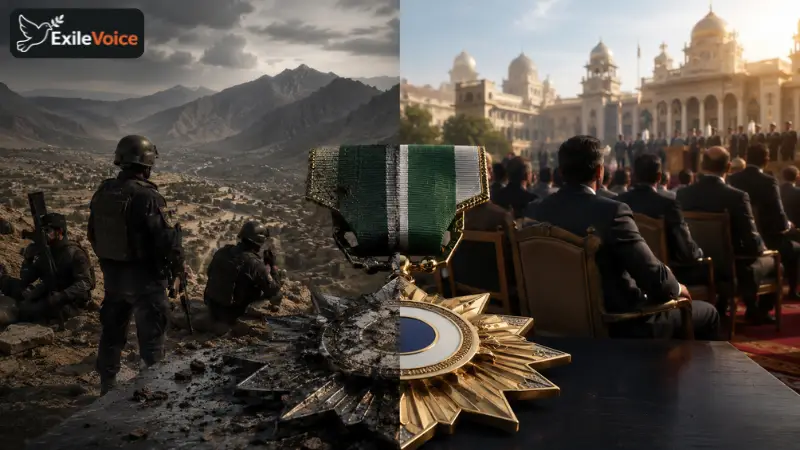
Recent debates surrounding national awards and civil recognition in Pakistan have brought systemic institutional disparities into sharp focus. Public criticism arose after notable discrepancies were highlighted in the distribution of prestigious state medals and bravery honors, specifically noting that frontline police forces in regions facing severe security challenges, such as Khyber Pakhtunkhwa and Balochistan, were largely overlooked. In contrast, administrative elites and urban-centric bureaucrats based in major centers like Islamabad and Lahore received a disproportionate share of high-level recognition. This imbalance triggered widespread public debate regarding how state institutions value service, sacrifice, and grassroots labor versus bureaucratic positioning.
Civil society commentators and satirists have frequently used cultural commentary to critique these institutional priorities, pointing out a broader disconnect between governing elites and the realities faced by ordinary citizens. Internal governance structures often reflect a centralized hierarchy that marginalizes peripheral provinces and frontline personnel who bear the brunt of national security crises. Observers emphasize that when state awards fail to reflect genuine merit and sacrifice, public trust in foundational national institutions diminishes. Addressing these structural flaws requires transparent administrative reforms, equitable resource allocation, and a fundamental reassessment of how national service is evaluated and rewarded at all levels of government.