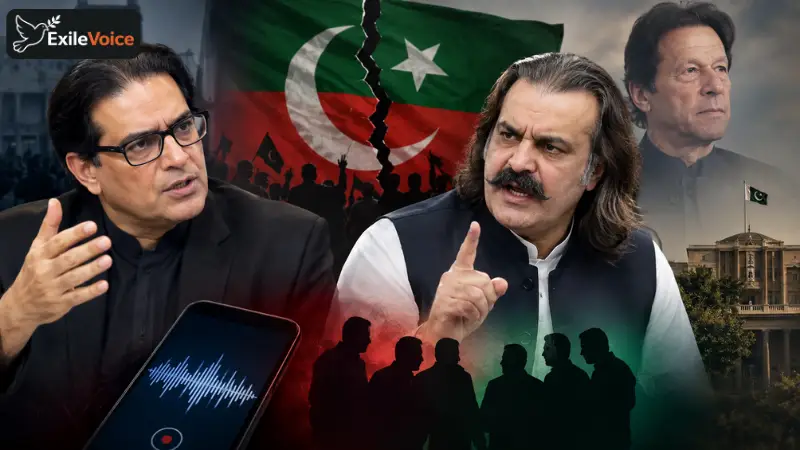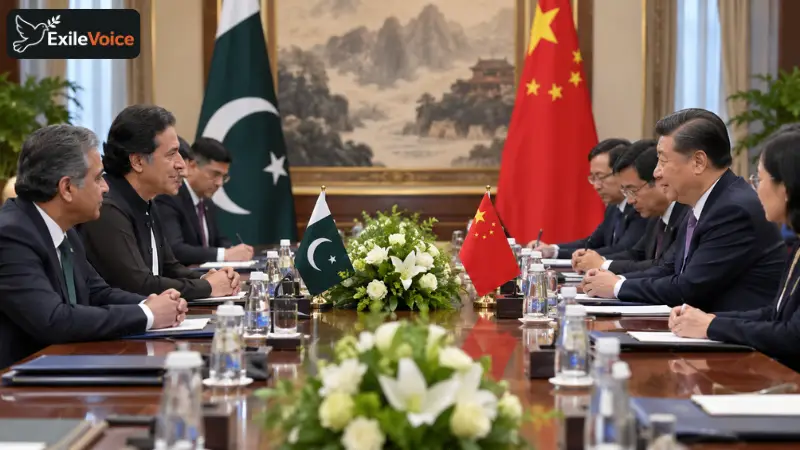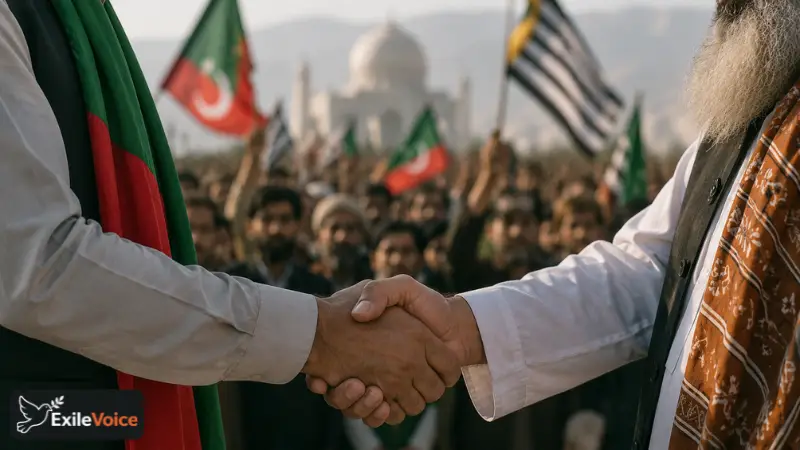
The political arena in Pakistan is undergoing a subtle yet significant realignment as opposition factions recalibrate their strategies in response to persistent state pressure. Amidst ongoing crackdowns and institutional friction, discussions regarding potential cooperation between the Pakistan Tehreek-e-Insaf (PTI) and Maulana Fazlur Rehman's Jamiat Ulema-e-Islam (JUI-F) have emerged as a critical focal point for political pundits. This prospective alignment signals a pragmatic recalculation by opposition leaders seeking to counter the ruling coalition's dominance through unified pressure.
Historically, the political relationship between PTI and JUI-F has been characterized by sharp ideological and electoral rivalries. However, the rapidly evolving national context has forced political actors to look past traditional animosities. Analysts note that both parties share common grievances regarding electoral integrity, administrative governance, and perceived judicial biases. By exploring avenues for tactical cooperation, the opposition aims to build a more robust, cohesive front capable of challenging the federal government's policy framework and legislative agenda.
The potential convergence also impacts the broader opposition spectrum, influencing smaller regional parties and shaping the calculations of the Pakistan Peoples Party (PPP). While formal alliances require delicate negotiations and compromise on core political stances, the mere trajectory of dialogue indicates shared recognition of the limits of isolated political resistance. As political actors prepare for upcoming legislative challenges and potential mass mobilization efforts, the evolving dynamic between PTI and religious-political forces like JUI-F could redefine the balance of power in Islamabad.