
The cultural and artistic landscape of Punjab faces unprecedented oversight following the passage of the Punjab Dramatic and Theatrical Performance Bill. Designed to institutionalize rigorous state supervision, the new legislative framework shifts the parameters of creative expression, extending bureaucratic control down to the minutest details of theatrical and musical performance. Under the updated regulations, writers, directors, musicians, and backstage personnel are required to obtain formal governmental registration and licenses, fundamentally altering how performance art operates within the region.
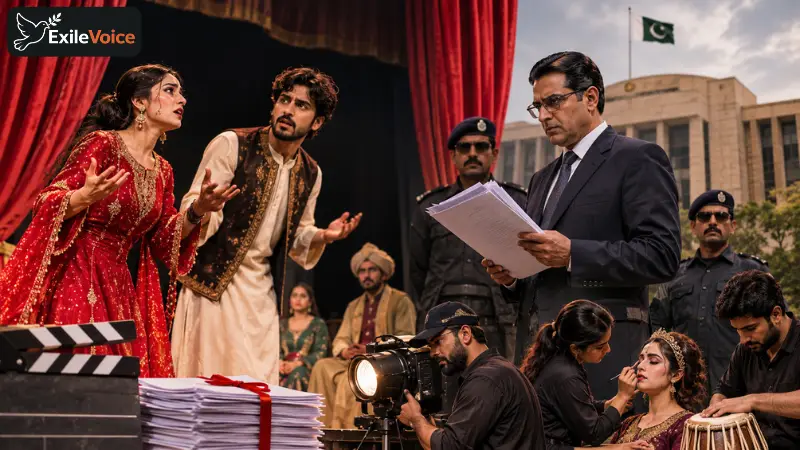
A cornerstone of the legislation is the mandatory pre-approval of scripts. Playwrights and theatrical producers must submit comprehensive scripts to a designated government committee at least fifteen days prior to any scheduled performance. Spontaneity, long celebrated as a vital element of live performance, is effectively criminalized; deviating from the approved script or introducing unscripted dialogue, topical humor, or ad-libbed jokes carries severe legal penalties. Furthermore, the legislation extends its reach to technical and support staff. Tailors designing stage costumes, makeup artists, lighting technicians, and traditional musicians playing instruments such as the tabla or harmonium must register with authorities and pay licensing fees.
The enforcement mechanisms associated with the bill are stringent. Rehearsals must be conducted in full costume and makeup under the direct supervision or review of censorship committees prior to public staging. Live performances are subject to continuous monitoring, and organizers are mandated to preserve complete recordings for prolonged periods. Violations of these directives carry heavy consequences, including substantial monetary fines, the immediate revocation of theater licenses, the sealing of venues, and prison sentences of up to six months for non-compliant artists.
Critics and cultural analysts point out that these measures place an unsustainable financial and psychological burden on an already vulnerable artistic community. While authorities frame the regulations as a matter of public order and administrative standardization, cultural commentators argue that the legislation stifles creative innovation, criminalizes grassroots folk and theater traditions, and deepens state intervention into civil society. As the regulatory framework takes effect, the future of independent performance art and satire in Punjab remains highly uncertain.