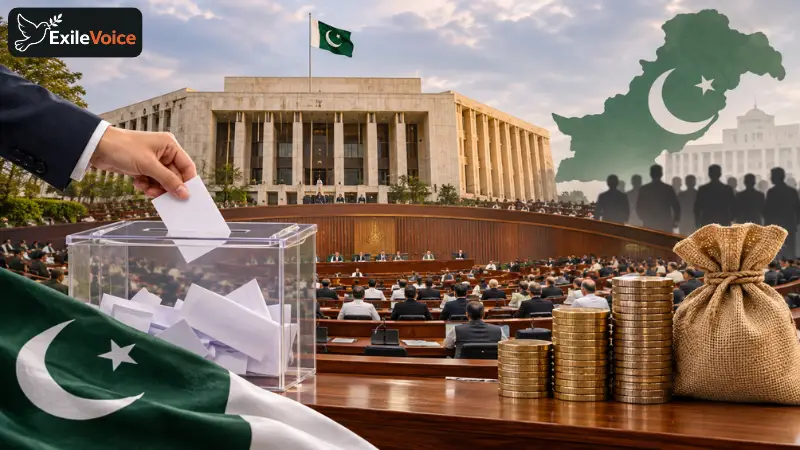
The approach of Senate elections across Pakistan brings forth familiar debates regarding campaign financing, political representation, and systemic transparency. The bicameral legislature balances representation by allocating equal seats to each province regardless of population size, ensuring a functional federal structure. However, the indirect election process through provincial assemblies creates unique dynamics, particularly in smaller provincial legislatures where the number of voters per seat is significantly smaller.
Observers and political analysts have consistently highlighted how financial influence can intersect with these internal parliamentary votes. Because provincial assemblies act as the electoral college, high-stakes political maneuvering often accompanies the race for Senate berths. In past cycles, allegations of capital deployment have surfaced across various regions, prompting calls for stricter candidate vetting and internal party accountability.
Discussions surrounding potential candidates also emphasize the need for ideological clarity and vocal advocacy rather than traditional patronage networks. Observers point out that during periods of intense political pressure, legislative bodies require representatives capable of articulating public grievances with resilience and precision. As political parties prepare their candidate lists for the upcoming polls, internal criteria and the balance between hereditary politics and merit-based selection remain central to the broader discourse on democratic reform in Pakistan.