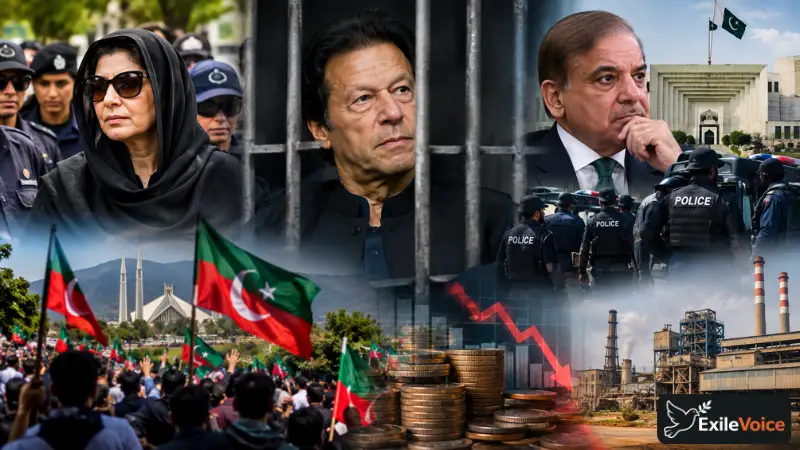
The current political landscape in Pakistan is witnessing heightened tensions marked by key developments involving major political figures, administrative crackdowns, and institutional dynamics. Recent reports indicate the detention of Aleema Khan from Lahore, which has triggered widespread reactions within the Pakistan Tehreek-e-Insaf (PTI) leadership and ranks. This event aligns with a broader pattern of heightened security measures and police raids targeting party offices and local leadership across Islamabad and surrounding areas in anticipation of upcoming political demonstrations.
Parallel to these political arrests, institutional responses and health-related updates concerning prominent figures have surfaced. Medical teams have reportedly visited Adiala Jail to conduct routine medical evaluations for PTI leader Imran Khan, while administrative bodies in Islamabad have placed key medical facilities on high alert. Meanwhile, political negotiations and backchannel maneuvers continue to unfold, involving senior political figures engaging with government officials regarding the status of incarcerated leaders and prospective political arrangements.
Economic indicators and structural issues are also drawing significant attention alongside political friction. Reports highlight substantial financial impacts stemming from ongoing protests and administrative shutdowns, alongside lingering fiscal concerns regarding state enterprises like Pakistan Steel Mills. Furthermore, shifting alliances and statements from various political factions continue to reshape the national discourse, reflecting the complex interplay between civilian leadership, political parties, and state apparatuses as stakeholders navigate an increasingly polarized environment.