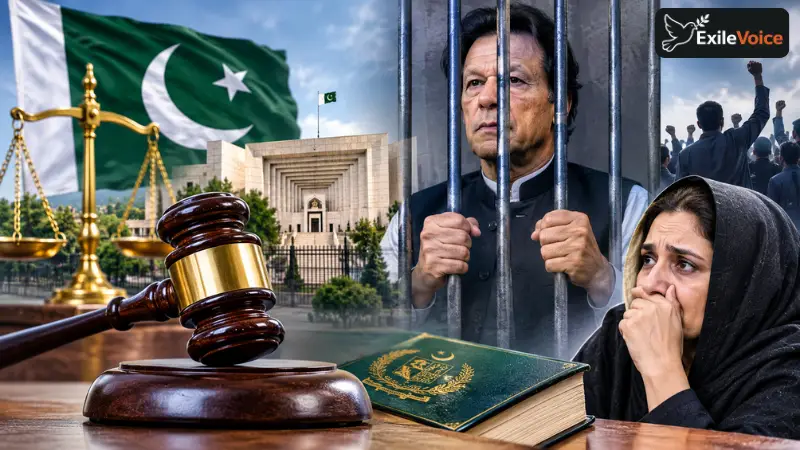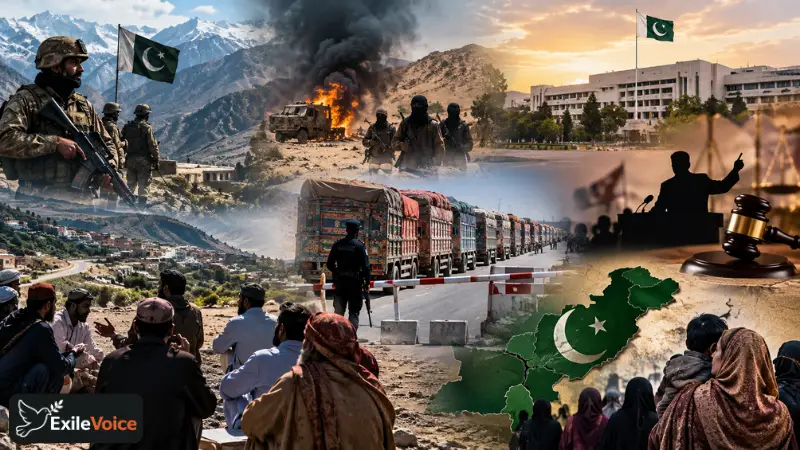

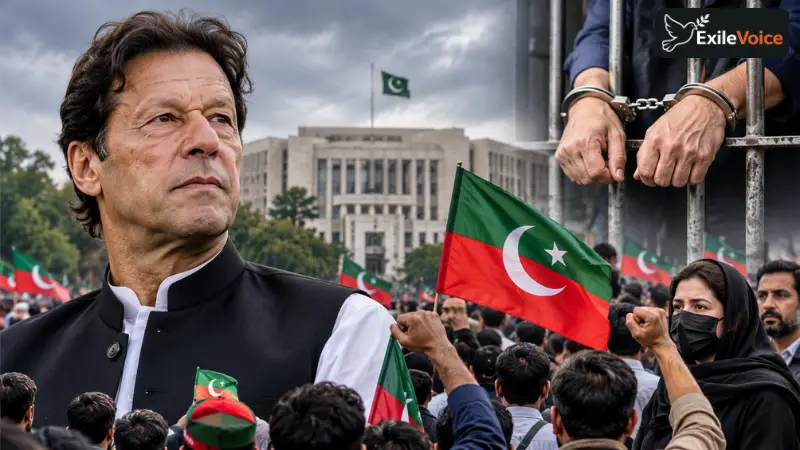
Recent developments in Pakistan's political landscape highlight ongoing tensions between state authorities and opposition figures associated with Pakistan Tehreek-e-Insaf (PTI). Analysts note that the detention of high-profile political figures and family members has intensified political friction across major urban centers, notably in Punjab and Khyber Pakhtunkhwa.
Legal representatives and family sources have reported significant administrative hurdles regarding access to medical care and visitation rights for detained individuals. Observers point out that international human rights organizations and foreign press outlets have increasingly scrutinized these administrative measures, raising questions about legal due process and transparency within the country's judicial and penal systems.
Political commentators emphasize that despite systemic pressures, opposition networks continue to display considerable resilience. Public discourse increasingly centers on the balance of institutional authority, constitutional amendments, and the broader implications for democratic governance. Analysts suggest that the ongoing friction reflects deep structural challenges that require sustained dialogue and strict adherence to constitutional norms to achieve political stability.