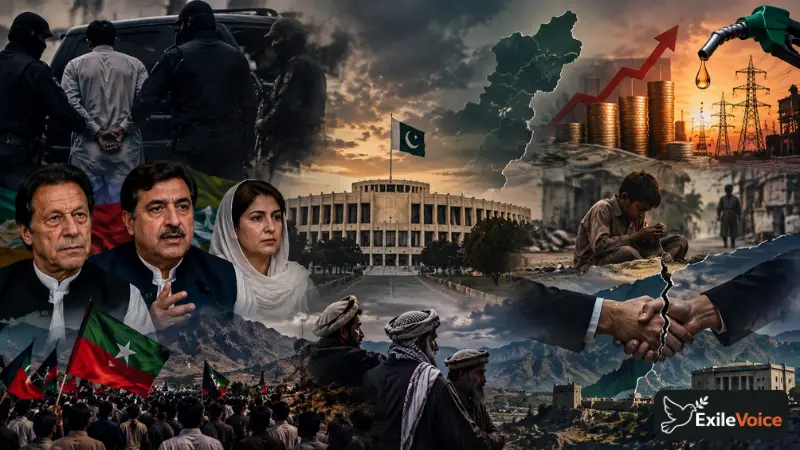
The landscape of Pakistani politics has long been characterized by fierce rivalries, intense public discourse, and sharp ideological divides. However, recent developments highlight a growing rift between the ruling coalition leadership, particularly high-ranking figures within the Pakistan Muslim League-Nawaz (PML-N), and vocal critics associated with the opposition, notably Pakistan Tehreek-e-Insaf (PTI). Central to this dynamic is the interaction between government representatives and ordinary citizens in public spaces, alongside the political fallout that follows such encounters.
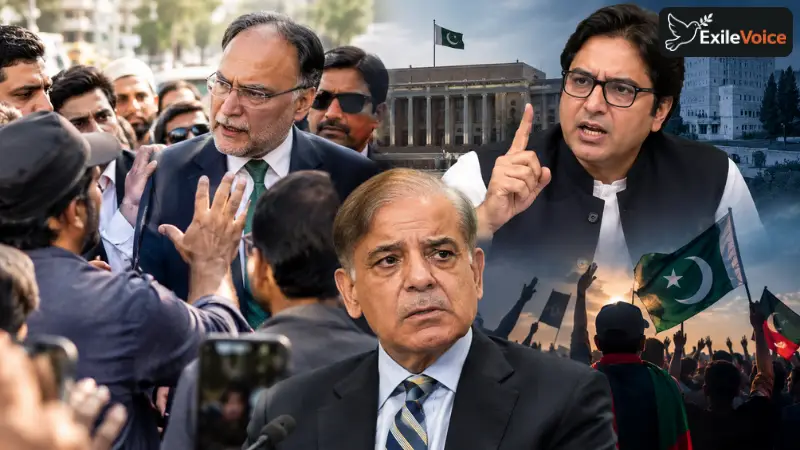
When senior leaders such as Planning Minister Ahsan Iqbal experience public confrontation or heckling by citizens, it serves as a microcosm of the deeper political polarization currently gripping the nation. Critics argue that public dissatisfaction is an inevitable reaction to economic hardship, governance challenges, and perceived political maneuvering. On the other hand, government officials maintain that public decorum, respect for leadership, and civil discourse must be preserved to prevent social fragmentation and political anarchy.
Political analyst and former SAPM Dr. Shahbaz Gill has been among the prominent voices challenging the administration's response to public dissent. The core argument put forth by opposition figures posits that citizens possess a fundamental democratic right to express grievance and voice dissatisfaction regarding political figures and state governance. When government figures portray public confrontation purely as orchestrated hatred, opposition commentators counter that such framing minimizes genuine economic and political frustrations felt across various demographics.
Furthermore, controversies surrounding public appointments, government expenditures, and executive conduct continue to draw intense scrutiny. Allegations regarding non-merit appointments or improper utilization of state resources are frequently leveraged by opposition analysts to question the legitimacy and ethical standing of the ruling administration. Prime Minister Shehbaz Sharif and his cabinet face continuous pressure to justify administrative decisions while managing an increasingly critical public sphere.
The friction between political elites and public sentiment underscores a broader structural issue within the national political landscape. As digital media accelerates the speed at which public interactions are recorded and disseminated, political leaders are subject to unprecedented real-time public scrutiny. The challenge for the current administration lies in balancing governance imperative with democratic openness, ensuring that public expression is accommodated without devolving into institutional instability.