Speculation surrounding the potential imposition of a state of emergency in Pakistan has re-emerged as a dominant narrative across national political discourses. However, a deeper examination of current institutional dynamics suggests that rumors of a formal emergency imposition function largely as political leverage rather than an imminent constitutional shift. Instead of indicating an immediate constitutional breakdown, these maneuvers reflect a strategic effort by established power corridors to maintain stability and project control amidst ongoing civil-military tensions and legislative deadlocks.
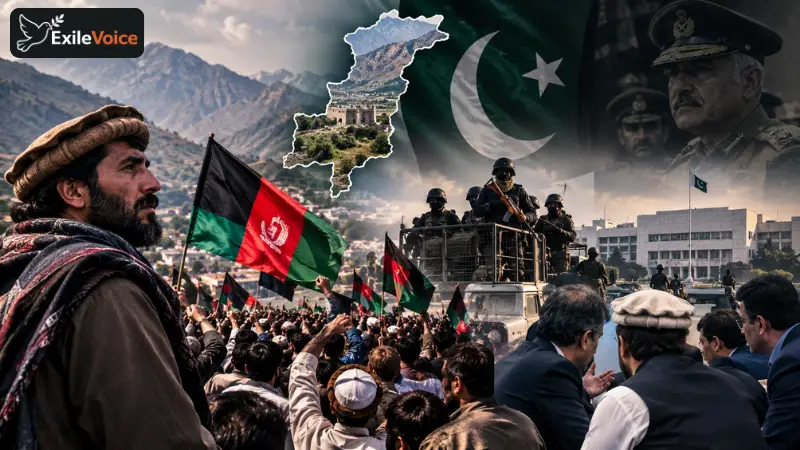
The primary driver behind this heightened political friction centers on the confrontation between the central establishment and the provincial administration of Khyber Pakhtunkhwa (KP). As a stronghold for the opposition Pakistan Tehreek-e-Insaf (PTI), the KP leadership has consistently challenged federal directives, creating significant administrative friction. The federal narrative surrounding a potential emergency allows central authorities to apply psychological and tactical pressure on provincial dissent without undergoing the legal and international complications of formally suspending civil liberties.
Concurrently, institutional rivalries within the intelligence and security apparatus continue to shape civil governance. Reports highlighting friction between major intelligence bodies, such as the Inter-Services Intelligence (ISI) and Military Intelligence (MI), illustrate the internal competition over domestic oversight and political management. Historically, alignment between these intelligence arms has been vital for political stability. When institutional priorities diverge or become fragmented, political actors on both sides attempt to exploit the divide, leading to policy unpredictability and governance bottlenecks.
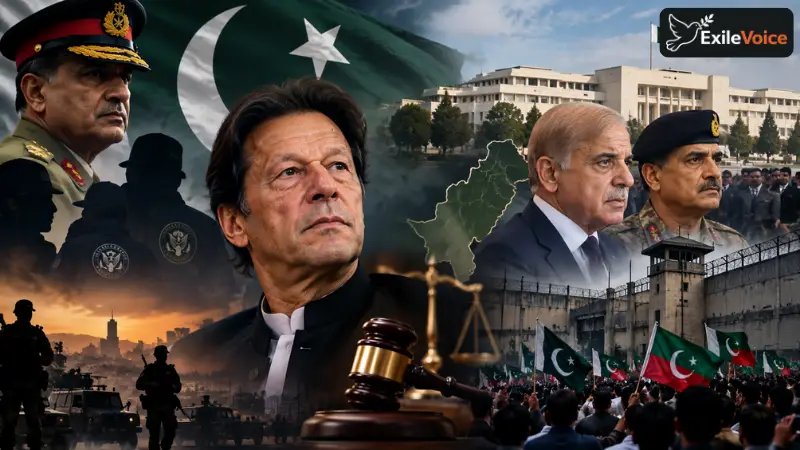
Furthermore, public discourse remains heavily influenced by the ongoing detention of former Prime Minister Imran Khan at Adiala Jail. High-profile political challenges, including legal petitions and public demands by political figures seeking access to Khan, serve to test the state's judicial and security boundaries. The central administration's refusal to permit direct political access highlights a calculated strategy aimed at preventing the consolidation of organized opposition movements.
Ultimately, the persistent threat of an emergency enforcement functions as a governance tool rather than a definitive legal step. By sustaining an environment of high political tension, federal stakeholders effectively manage opposition challenges, reinforce civil-military dominance, and navigate complex regional geopolitics. Understanding these dynamics reveals that Pakistan's current state of affairs is not a sudden constitutional crisis, but a calculated continuation of long-standing political engineering.