The dynamics of modern political opposition require unified strategy, synchronized messaging, and disciplined leadership. However, recent developments within Pakistan’s political landscape highlight severe internal friction, communication breakdowns, and strategic missteps that threaten the cohesion of the primary opposition entity, Pakistan Tehreek-e-Insaf (PTI).
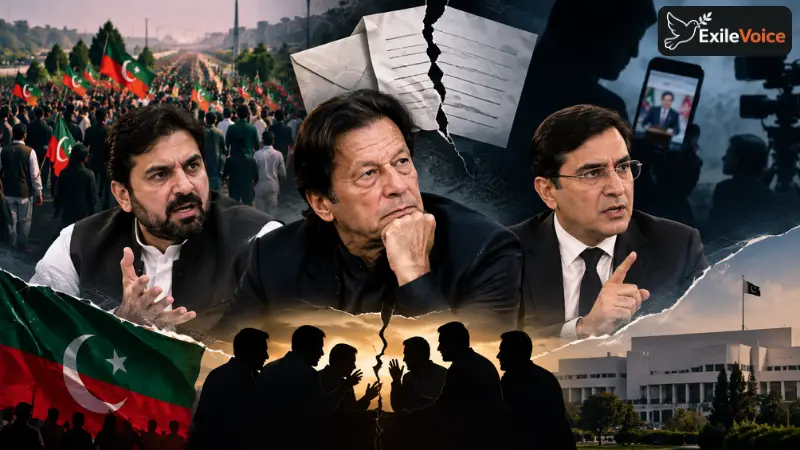
At the center of recent controversy is a letter authored by senior party figure Shaukat Yousafzai, addressed to Barrister Gohar Khan. The correspondence urged the party leadership to postpone its planned long march, citing concerns over government-driven security narratives and escalating political tension. Rather than remaining an internal policy memo intended for deliberative council, the letter leaked to mainstream media outlets before key recipients within the party command structure had even reviewed its contents.
This breach of internal communication protocols highlights a structural vulnerability. When high-stakes political correspondence bypasses internal channels to surface in the press, it transforms strategic debate into public confrontation. The reaction from party leaders was immediate and sharp. Khyber Pakhtunkhwa Chief Minister Sohail Afridi rejected the letter outright, emphasizing that digital correspondence without executive consensus carries no operational weight in postponing mass mobilization efforts.
The rationale behind the letter reveals a fundamental strategic paradox within opposition planning. While acknowledging that state authorities often manufacture security threats to deter public demonstrations, the letter simultaneously advised the opposition to suspend its march in response to those very threats. Opponents and political analysts argue that acceding to state pressure validates the government's containment tactics and undermines public confidence in the opposition's resolve. Furthermore, the omission of core demands, such as the health, detention conditions, and legal standing of party founder Imran Khan, diluted the primary objective of the political movement.
Publicly airing grievances and displaying emotional distress on hostile media platforms further weakens an opposition party's institutional standing. Strategic communication in high-stakes environments demands internal discipline. When senior leaders project disunity, it creates leverage for political rivals and military-backed establishments. To maintain momentum and political credibility, opposition organizations must reconcile internal debates through established administrative channels rather than public media warfare.