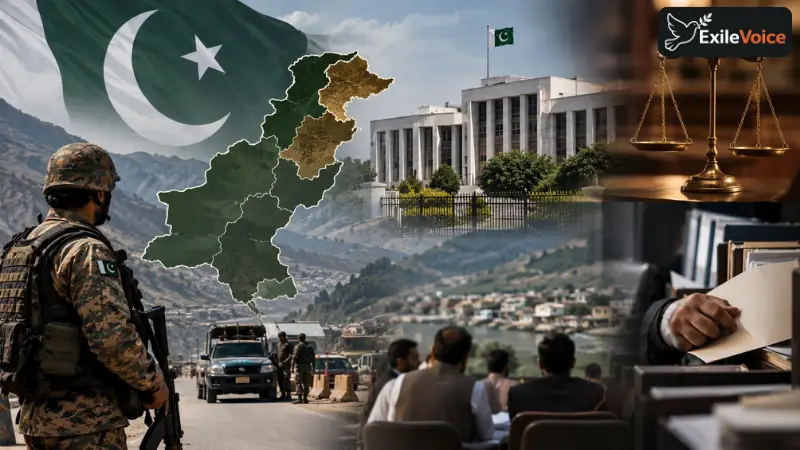
The intersection of military security measures, administrative control, and civilian liberties represents one of the most complex challenges in contemporary state governance. In volatile security zones and border regions, state authorities frequently implement stringent surveillance and access restriction measures to maintain order. However, when security protocols excessively restrict ordinary citizens, they risk deepening public alienation and compounding human rights concerns.
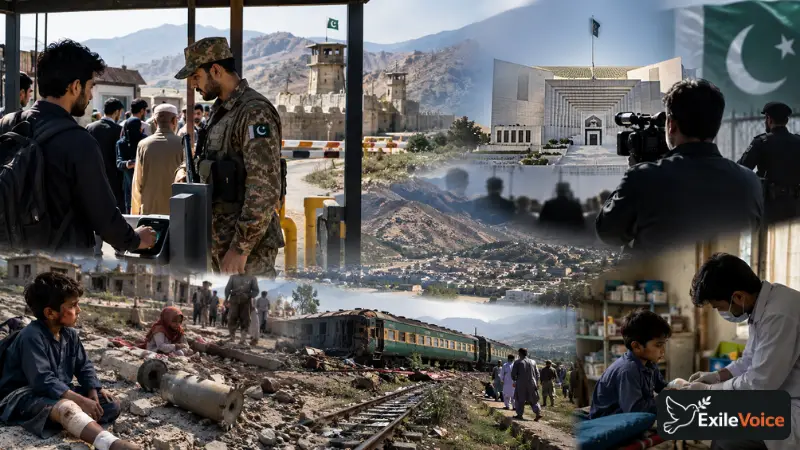
In Quetta, security directives issued by cantonment authorities have established strict entry and exit tracking systems for residents and visitors entering restricted military and administrative zones. Requirements mandating digital identification scans both upon entry and departure represent a heightened level of internal mobility tracking. While military command structures justify such protocols as essential counter-terrorism and force-protection measures, local populations view them as domestic border control that infringes upon free movement within their own country.
The operational reality in regions like Balochistan and Khyber Pakhtunkhwa reflects a widening gap between state security objectives and civilian welfare. Heightened security protocols often coincide with broader human rights concerns, including collateral damage from military operations and restricted access to press coverage. The decision to bar journalists from covering proceedings in federal constitutional courts reflects a growing trend of information control, limiting public awareness and democratic oversight of state actions.
Furthermore, civilian populations in active security corridors continue to bear the physical and economic burden of conflict. Incidents involving stray artillery shelling in areas like Central Kurram, resulting in severe civilian casualties and lifelong disabilities among children, highlight the tragic cost of ongoing instability. When infrastructure failures, such as frequent passenger train derailments, are paired with neglected rural healthcare facilities lacking basic anti-venom or emergency treatments, public discontent expands from security grievances to governance collapse.
Sustainable national security cannot rely solely on physical containment, internal checkpoints, and media blackouts. A robust security strategy requires building local trust, protecting fundamental civil rights, ensuring judicial transparency, and delivering functional basic infrastructure to marginalized populations.