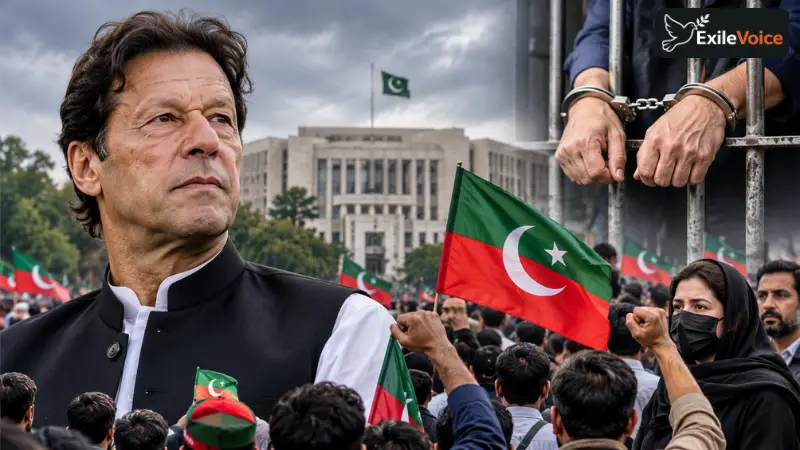

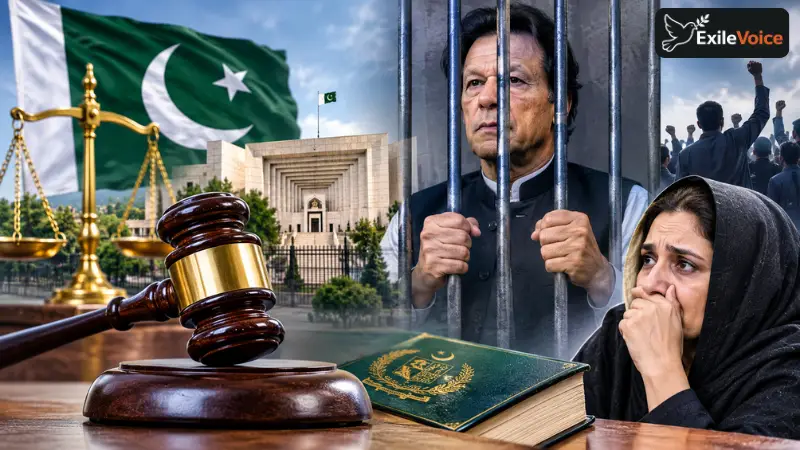
The dynamics of governance, civil liberties, and institutional accountability in Pakistan continue to face intense scrutiny amidst a challenging political landscape. Recent events surrounding high-profile detentions, medical emergencies involving political detainees, and the systemic handling of legal procedures have brought questions of fundamental rights and constitutional integrity to the forefront of national discourse. Observers and legal experts have increasingly emphasized the necessity of upholding due process and ensuring that state institutions operate strictly within constitutional boundaries.
Central to these concerns are reports regarding the treatment of political detainees and their families, particularly instances where medical emergencies intersect with restrictive detention orders. Cases involving individuals held under preventive maintenance or public order statutes have highlighted systemic delays in providing timely healthcare and facilitating basic familial visitations during medical crises. Legal commentators and human rights advocates argue that the consistent denial of procedural fairness and humanitarian considerations erodes public confidence in the justice system and highlights a widening gap between statutory protections and practical implementation.
Beyond individual cases, the broader debate encompasses the role of institutional overreach in governance. Critics point to instances where administrative directives and executive actions bypass traditional legislative and judicial checks, creating an environment of legal uncertainty. Veterans of public service and legal scholars have repeatedly stressed that adherence to the rule of law is non-negotiable for democratic stability. When institutions tasked with upholding security and order engage in extra-statutory maneuvers, it not only compromises their institutional credibility but also deepens societal polarization.
Moreover, the discourse highlights the critical importance of moral and professional accountability among public servants, law enforcement personnel, and judicial officers. Historical legal doctrines and internal service codes explicitly mandate that subordinates are not bound to obey unlawful or unconstitutional orders. The erosion of this principle within various state organs has been cited as a primary driver of systemic governance failures. Re-establishing a culture of constitutionalism requires active institutional reform, robust parliamentary oversight, and an independent judiciary capable of holding all actors accountable to the supreme law of the land.
Ultimately, restoring faith in Pakistan's governance structures depends on the strict adherence to constitutional norms, the protection of fundamental human rights, and an unwavering commitment to transparency. Strengthening these pillars is essential for fostering a stable, just, and democratic society where the rule of law prevails over arbitrary authority.