Recurring disputes over land acquisition and property rights involving Defence Housing Authorities in Pakistan have long sat at the intersection of urban development, judicial oversight, and institutional power. Legal records, court proceedings, and investigative accounts over the years have repeatedly examined how military-administered housing schemes expand, acquire agricultural or state-linked land, and resolve conflicts with private owners and local communities. While supporters argue that organized housing authorities develop modern infrastructure and gated communities, critics contend that statutory exemptions and administrative clout often tilt the playing field against ordinary citizens.
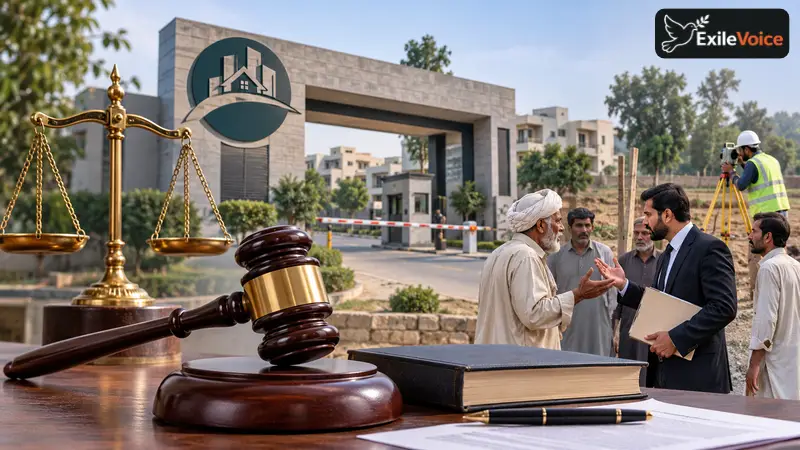
Judicial scrutiny has periodically brought these tensions into sharp relief. In past hearings before high courts and the Supreme Court, judges have questioned the statutory origins of housing authority powers, scrutinized land transfers and audit compliance, and warned that uniform or institutional status does not confer license to seize private or state property unlawfully. When disputes involve villagers resisting land acquisition or lawyers protesting alleged encroachment, clashes with police or criminal filings can escalate local grievances into wider institutional flashpoints, as seen in friction involving bar associations and court premises in Lahore.
A central legal issue in debates over DHA governance involves statutory immunity clauses and regulatory oversight. Provisions that shield actions taken in good faith or assert precedence over conflicting laws frequently complicate litigation for private claimants and municipal regulators. Even when court petitions are settled through compensation or withdrawn, observers often note that underlying questions about transparent valuation, land records, and completed audits remain unresolved in public view.
Addressing land conflicts sustainably requires clear legal boundaries, transparent land registries, fair market compensation, and consistent enforcement of court orders across all entities. In fast-growing cities where urban land is scarce and expensive, property disputes quickly become tests of the rule of law. Strengthening accountability and ensuring equal treatment before the law are essential steps toward building public trust in urban governance and judicial remedies.