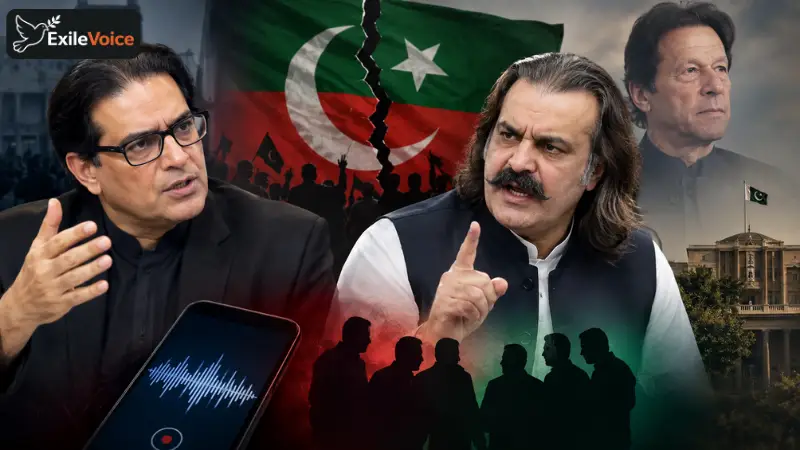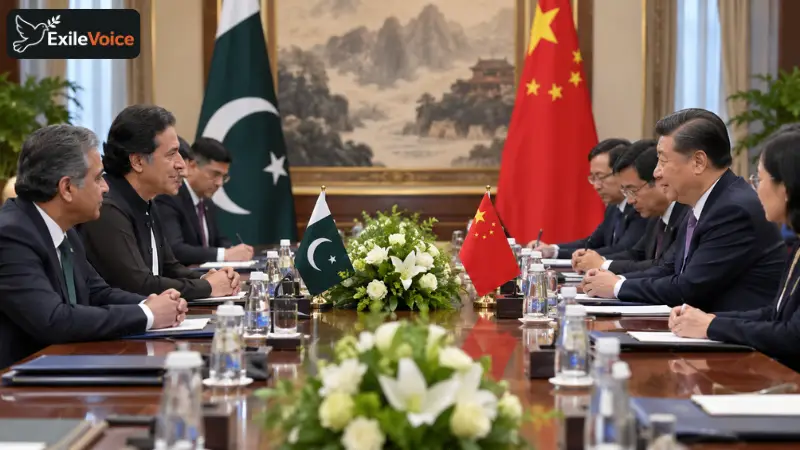
The political landscape of contemporary South Asia, particularly within Pakistan, continues to grapple with deep structural crises, governance failures, and intense institutional friction. Recent commentary and media analysis focus heavily on the ethical and administrative dimensions of statecraft, examining the roles played by various political actors, state institutions, and elite leadership circles. Observers emphasize that systemic decay often stems from a combination of compromised accountability, institutional overreach, and a persistent disconnect between ruling authorities and the socio-economic realities faced by the general populace.
At the heart of the discourse is the recurring theme of political integrity and the credibility of national narratives. Critics and independent analysts frequently highlight how institutional transparency is undermined by tactical political maneuverings, opaque decision-making processes, and the suppression of dissenting voices. The friction between civilian political forces and powerful military establishments remains a central friction point, shaping policy directions, judicial independence, and freedom of expression. Furthermore, public trust has eroded significantly as citizens navigate soaring inflation, economic instability, and a lack of reliable public service delivery.
Addressing these deep-rooted governance challenges requires structural reform centered on institutional accountability, constitutional supremacy, and open civic dialogue. Without meaningful structural overhauls that prioritize the rule of law and protect democratic norms, the cycle of political volatility is likely to persist. Civil society, independent media, and reform-minded intellectuals continue to push for transparency, urging political stakeholders to transition away from short-term expedience toward long-term national stability and inclusive governance.