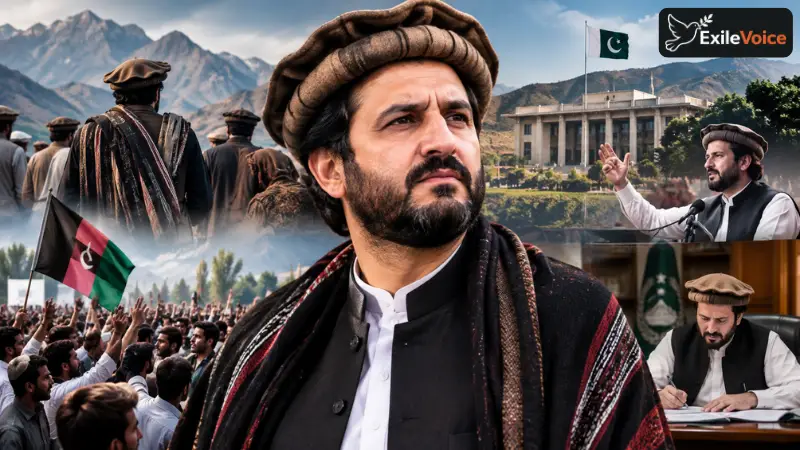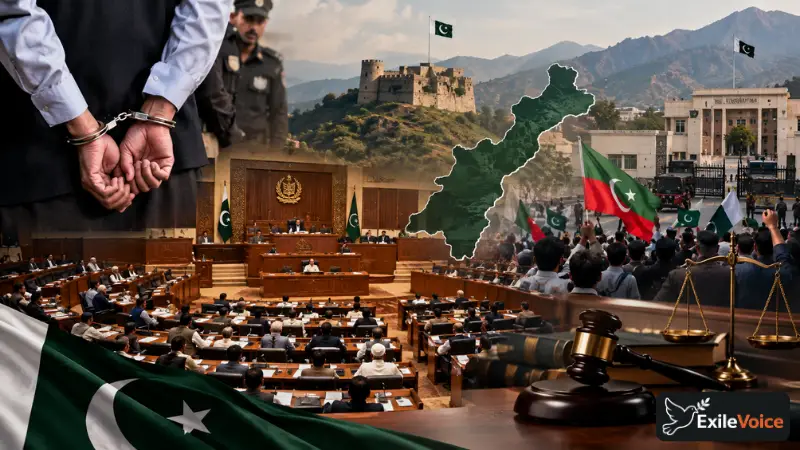
The political discourse surrounding Pakistan often intersects with institutional dynamics, elite educational backgrounds, and systemic struggles for governance. The concept of the Oxford curse brings to light a recurring narrative in Pakistani politics where leaders educated at prestigious global institutions, most notably Oxford University, face unique trajectories marked by immense popularity, systemic friction with the military establishment, and dramatic downfalls. This phenomenon underscores a broader structural challenge within the nation, where elite academic credentials often clash with the entrenched realities of domestic power politics, civil military imbalances, and populist movements.
Examining the historical context reveals that leadership transitions in Pakistan have rarely been straightforward. Figures associated with high profile international education often mobilize massive public support by leveraging anti establishment sentiments and reform agendas. However, these movements frequently trigger severe pushback from state institutions, leading to prolonged legal battles, incarceration, or political exclusion. The friction highlights a profound disconnect between technocratic or globally oriented governance ideals and the hyper localized, security driven architecture of Pakistani statecraft.
Furthermore, the impact of these political dynamics extends beyond domestic governance, influencing foreign policy perceptions, economic stability, and international relations. Observers and analysts note that until structural reforms bridge the gap between popular political mandates and institutional realities, Pakistan will likely continue to experience cycles of political instability. Understanding these trends requires a rigorous examination of how legal frameworks, intelligence apparatuses, and public sentiment interact in shaping the nation's future trajectory.