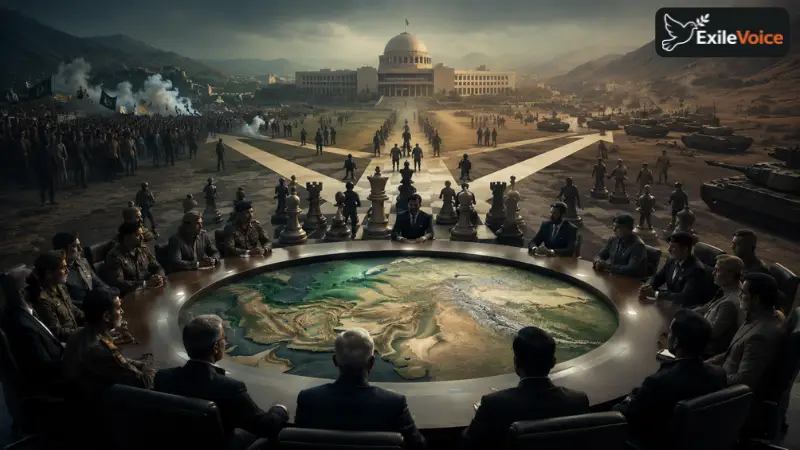
Military strategy often dictates the broader political and administrative maneuvers observed in nations experiencing systemic shifts. In analyzing contemporary political developments, commentators examine how tactical training influences leadership approaches. Historical training grounds such as infantry schools emphasize coordinated multi directional pressure campaigns designed to disrupt existing power structures. When these tactical frameworks transition into state administration, the resulting institutional dynamics frequently involve synchronized statements from multiple political and bureaucratic figures aimed at testing or reshaping the established constitutional framework.
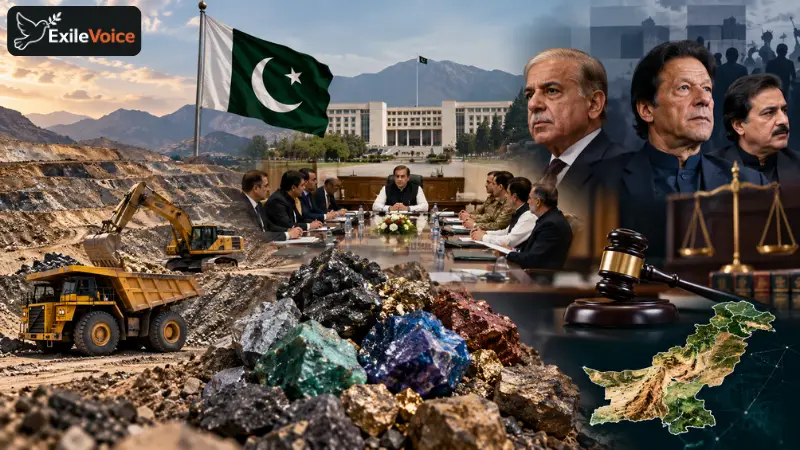
Within this strategic context, discussions regarding the efficacy of existing legislative bodies and governance models frequently surface. Observers note that recurring debates focus on whether traditional political lineages and established parties adequately represent the populace or if alternative governance structures are necessary. This friction often highlights a divergence between administrative directives and public expectations, creating an environment where systemic reforms become a central point of contention among various state stakeholders.
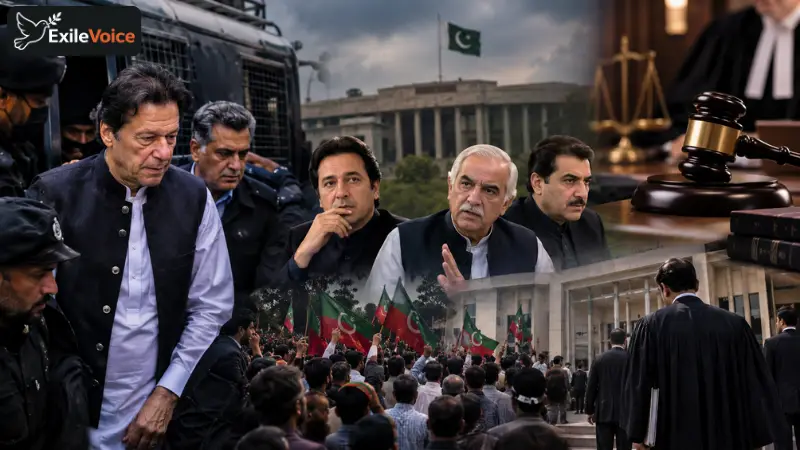
Furthermore, regional friction points and public demonstrations play a significant role in shaping the national discourse. Issues pertaining to regional administration, economic management, and civic rights generate widespread public engagement. As civic groups and political factions voice their grievances, leadership responses often attempt to balance security imperatives with demands for greater representation and institutional accountability. Ultimately, understanding these complex interactions requires examining both the formal statements issued by state organs and the grassroots reactions from the citizenry.