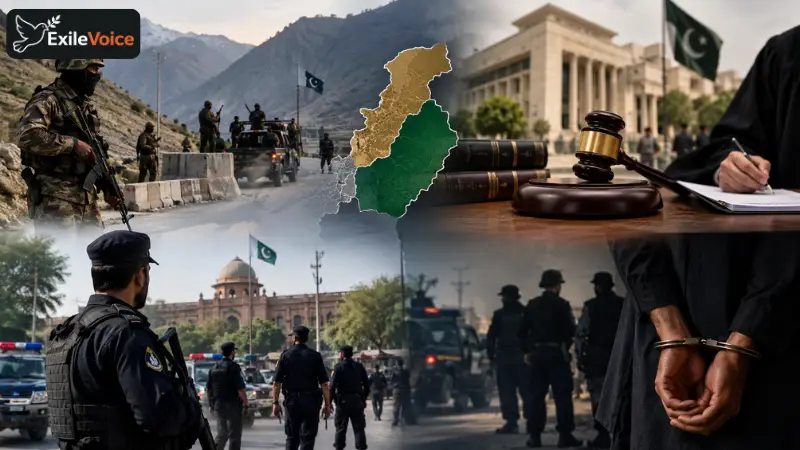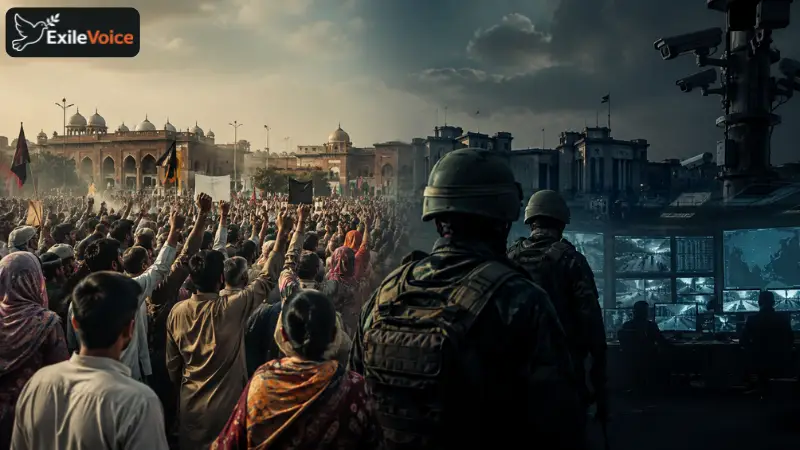
Pakistan is currently experiencing a complex web of regional unrest and institutional realignments, reflecting widespread dissatisfaction with central governance and security policies. Recent developments highlight organic demonstrations emerging in regions such as Sindh, where local populations and civil groups have mobilized against perceived overreach and legislative decisions impacting smaller provinces. These localized movements operate independently of traditional political machinery, demonstrating a grassroots frustration that transcends conventional party lines.
Simultaneously, institutional structures face internal strains as governance models undergo significant consolidation. Observers point to unprecedented concentrations of authority and heightened surveillance within administrative and military circles, leading to internal paranoia and heightened sensitivity regarding operational security. As opposition figures attempt to forge joint movements and leverage regional grievances, the traditional mechanisms of state control are increasingly tested by multifaceted resistance. This dynamic illustrates a broader systemic challenge, wherein centralized administrative strategies collide with regional aspirations and socio-political fragmentation across the country.