
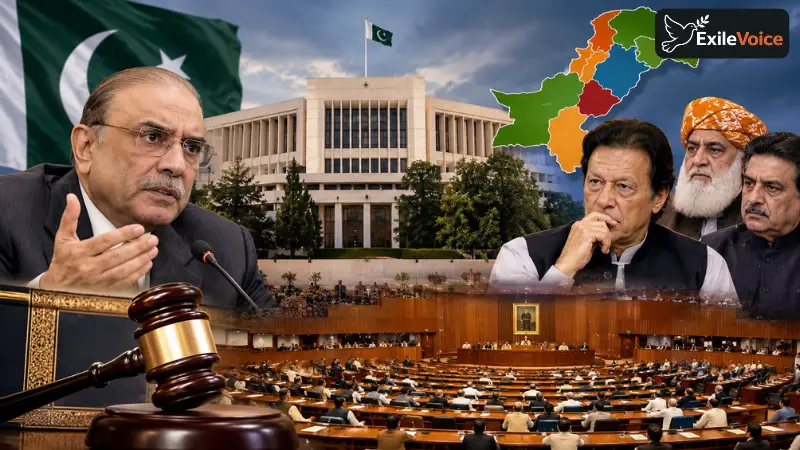
The political landscape is currently gripped by intense negotiations and constitutional deliberations regarding potential administrative restructuring and the creation of new provinces or administrative units. Recent high-level meetings, including interactions between government representatives and political leaders such as President Asif Zardari, have brought underlying legislative friction to the forefront. Reports indicate resistance from key political stakeholders regarding constitutional amendments required for provincial reorganization, especially concerning the two-thirds majority thresholds needed in both the National Assembly and the Senate.
Political analysts point out that achieving the necessary legislative numbers requires broad consensus across diverse parliamentary groups, including opposition factions and regional parties. While drafts and legal frameworks are reportedly being evaluated by legal experts and the Attorney General's office to meet mid-December timelines for potential referendums, dissenting voices argue that decentralized local governance systems should take precedence over top-down provincial division. The debate has also sparked widespread speculation about potential realignments, parliamentary voting strategies, and the broader implications for the federation's administrative stability.